REQ-uired Reading

Advice DR NY Advice DR NY

What’s Old Is New - Returning Players

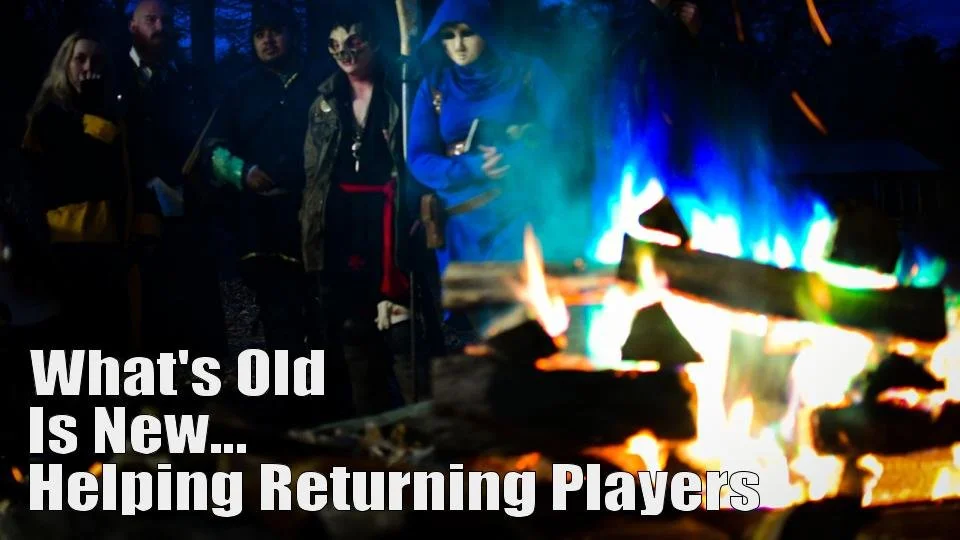
At Dystopia Rising New York - and to a degree, the network as a whole - we think a lot about new players… how to recruit them, how to make them have a good experience, and how we can bring them back for more. And this emphasis is important! New players are the lifeblood of any larp, and there’s a good reason we focus on them. But sometimes, in our zeal to improve the experience for new players, other groups get left behind. And one group in particular needs some attention these days: returning players.
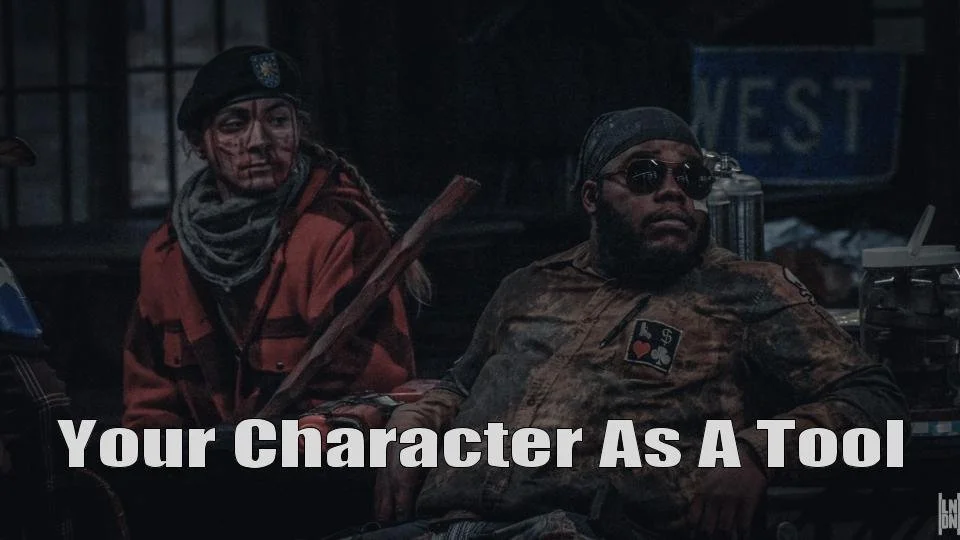
Photo By Shawn Smith

At Dystopia Rising New York - and to a degree, the network as a whole - we think a lot about new players… how to recruit them, how to make them have a good experience, and how we can bring them back for more. And this emphasis is important! New players are the lifeblood of any larp, and there’s a good reason we focus on them. But sometimes, in our zeal to improve the experience for new players, other groups get left behind. And one group in particular needs some attention these days: returning players.

What Do We Mean By “Returning Players?”

Given time, everyone moves on from their favorite larp. Maybe our lives change, maybe we leave for health or physical reasons, or maybe we just lose interest. But sometimes, people come back. Their reasons vary: maybe they’ve resolved the situation that kept them from larp, like they finished grad school and now have free time. Or maybe they missed their friends and want to see them again. For whatever reason, a returning player is someone who took an extended break and decides to come back. 

Often these players have some common traits:

  • They probably never played under the current ruleset, and are unfamiliar with how the rules work.

  • They previously played for a decent period of time, having established themselves and their character in the larp.

  • They probably don’t recognize a lot of faces, as many of their friends have also moved on. 

The Issue: We Don’t Offer Returning Players the Same Level of Care

So imagine if a new player showed up, didn’t know the rules very well, didn’t have many friends, but had a strong character concept they really wanted to play. How would you treat them?

Now imagine someone showed up and does the exact same thing, but they’re a returning player, their strong character concept is actually based on years of play with which you’re unfamiliar. How does that dynamic change for you?

A returning player is a lot like a new player, only they’ve invested time into their character concept, and it’s harder for them to change it. If anything, they have a bigger obstacle to play in some way: they can’t easily recalibrate years of history with a hand wave. Further, the game has changed quite a bit in terms of setting in the last few years, meaning there’s a lot of change to navigate. But a returning player has another obstacle to clear: the resistance of existing players.

Larpers sometimes have a bad tendency to establish a hierarchy, particularly in long-term games. It takes a while to earn experience, establish social connections, and set up things like in-game organizations or businesses. When a new player arrives, there’s no threat of competition: this new player has to take time to establish their character. But a returning player might come back with a significant amount of experience, stacks of in-game money and scrap, and memories of social connections that they find important. They might have been leaders of organizations previously… and if they try to reestablish themselves, other larpers might look at it as a threat. 

The result? Where a new player might get assistance, a returning player might get ignored, or worse, a defensive correction. If a new player comes in and starts making up a magnificent backstory on the spot, they’re greeted with enthusiasm, but if a returning player tells a similar story that happened in actual play, other players often fail to engage or worse, shoot them down. Returning players need support too and often they’re met with indifference or worse.

So What Should We Do?

Returning players need our support. After all, they decided to come back for another shot… while it’s hard to try something new, it’s just as hard to come back after years away. Here’s some specific solutions to help returning players engage with the game:

  • Tell… and listen to… war stories. Nostalgia often plays a part in a player’s decision to return. Don’t just listen when they tell you about something that happened at a game ten years ago; ask them about it. Find a common point and tell a similar story. But engaging with these stories takes “ancient history” and makes it into shared history.

  • Involve them the way you would a new player. Lots of us are very good at inviting new players to join us in various activities. Extend that same courtesy to returning players. What’s more, work to get them involved, particularly in things like religious activities or criminal influence meetings. They may have been highly involved previously: let them get involved again. 

  • Guide them through change, don’t just correct. A lot of story elements have changed. Some changes were dramatic and often done to remove problematic elements from the setting. Many were more subtle. Sometimes, a returning player might not be “playing the same game;” when this happens, you probably need some extended role-play to guide the player through the changes, as opposed to just telling them they’re wrong. Remember, change is hard, and it’s harder when people aren’t patient.

  • Let them shine, particularly when they use their skills. The ruleset we use has changed a lot, and it can be extremely frustrating for a player who remembers how their character previously played when they’re struggling with a deadlier system today. If you have a chance to let them be the one who uses their mechanics to save the day, encourage them. Having a few “wins” early on can help them enjoy the system much more.

What About The People Who Never Left?

We’ve talked about how to help returning players, and we try to make every effort to help new players, but there’s another group we should mention: our regulars. While new and returning players have particular obstacles, our regulars are just as important, and deserve to enjoy the game as much as anyone else. If you’re a regular, don’t forget: while it’s important to help new and returning players, your fun is also important. You’re not wrong to advocate for your own experience, as we know you will be mindful of others while you do.

Read More
Advice DR NY Advice DR NY

Your Character As A Tool

Previously, we talked about your character not as a person in a story, but as a tool you use for storytelling. As larpers, our characters are precious to us, and often we identify with them strongly. However, we create them, and they aren’t real people but rather tools we use to role-play. As such, we should make sure they’re an effective tool, designed to help us have fun and perform the way we want. So how do we do that?

Photo by London Belli

Previously, we talked about your character, not as a person in a story, but as a tool you use for storytelling. As larpers, our characters are precious to us, and often we identify with them strongly. However, and they aren’t real people but rather tools we use to role-play. As such, we should make sure they’re an effective tool, designed to help us have fun and perform the way we want. So how do we do that?

Know yourself

What do you enjoy at larp? When someone talks about how they’re not having a good time with their character, we often start making suggestions about how to change their role-play, but this is rarely an informed decision. Instead, we should look at the times that they had a blast and ask “what were they doing during that larp?” They should play a character that lets them do those things.  Sometimes, characters change over time; it might be useful to replace or revise characters that have changed so much that the player no longer enjoys their larp.

An excellent self-knowledge tool is social media. Have you made posts after a larp describing the awesome time you had?  Those memories are your best tools for designing a character, because they give examples of previous successes. Don’t ask “what should I do to have fun?” Ask “what was I doing when I was having fun?”

Ask “What do I want to do?”

After you know what you enjoyed in previous larps, ask yourself, “what do I want to do in this larp?” Your character should be designed to do those things. If your favorite memories in larp all involve hanging out and talking with your friends, don’t design a silent loner, no matter how cool it sounds. You won’t be doing what makes you happy. 

In Dystopia Rising, crafting is a good example of something people often do (or avoid) for the wrong reasons. “Getting stuff” is something people do, and something people often enjoy. People have collections, people “keep score” with money - getting your “new toys” is a legit activity. But if you don’t really enjoy getting stuff, chances are you won’t enjoy pretending to farm for an hour of your larp. “Farming” isn’t a good thing to want to do in Dystopia Rising, because you’re not actually farming. However, if you know you really enjoy doing the “rectangle game,” farming in Dystopia Rising is a great activity for you. 

Avoid lots of details, but focus on specifics

It’s cool to write a detailed backstory and come up with dozens of characters - it makes your character feel real. But once you’re at a larp, backstory and connections take a lot of effort to include in role-play. No one can include 20 years of backstory in every in-character interaction. Further, it limits growth: the more details you start out with, the harder it is to add more later. So lots of details don’t always help, and they can even hinder role-play.

However, specifics are great tools for role-play. Being able to answer questions very specifically usually gives you something to talk about, or at least something to do. Here’s a good question to ask your Dystopia Rising character: what’s their favorite food? You’re going to be eating at least a half-dozen times over the course of a weekend. Knowing specifically what your character wants to eat gives you something concrete to do as your character, particularly if their favorite food is different than yours (just make sure it’s something you like!)

Make them big

There is joy to be found in playing a subtle, nuanced character. However, Dystopia Rising is not a British film with reserved dialogue… it’s a melodrama with large personalities, death, weird science and lots of other things that keep us running around until the early hours of the morning. Subtle is great, but having something “big” about your character is a necessity in this game. Maybe it’s their personality, maybe it’s their devotion to a faith, maybe they just run headlong into every single combat they see. In any case, figure out what’s big about your character. You want the right tool for the right job, but it’s easier to hammer a small nail with a big hammer than vice versa.

Read More
Advice DR NY Advice DR NY

The Wrong (and Right) Things To Ask a New Player

We were all new once… and many of us have been new several times. Each time you try a different larp, you’re a new player, walking into a community of people who have established connections, jargon, and traditions. As we remember how tough it can be to take those first steps, most of us do all we can to welcome new players. But how can we help? Here’s three things we shouldn’t say (and three we should) to new players.

Photo by Brittany Zweir. Pictured: Daniel Carrione

We were all new once… and many of us have been new several times. Each time you try a different larp, you’re a new player, walking into a community of people who have established connections, jargon, and traditions. As we remember how tough it can be to take those first steps, most of us do all we can to welcome new players. But how can we help? Here’s three things we shouldn’t say (and three we should) to new players.

Don’t ask, “Tell me about your character?”

Ask, “What does your character do?”

Larp is something you do, it’s a verb. A lot of larpers are also writers, and writers want to tell a story. There’s nothing wrong with that… but stories have a lot of elements, and when you first enter a long-running larp, there’s a lot to pick up: history, non-player characters, lore. For a person unfamiliar with the setting it’s difficult to even answer, “Where are you from?” But larps have activities and those activities are likely to be familiar. A person who has never seen Star Wars might still know that the characters fly spaceships and fight with laser swords, even if they have no idea where Tatooine is. More importantly, focusing on what they’ll actually do during the larp prepares them for the activity and helps them start playing faster than if they have to learn a bunch of lore up front.

Don’t ask, “Do you want a character tie?”

Ask, “How are you getting to the game?”

When you hear an acquaintance is coming to your larp for the first time, your first response might be to make a connection… after all, you want to play with them! But remember, this isn’t about you: it’s about them. The best way to connect with them is to make sure they make it to the event, and are safe and comfortable while they’re there. So check to make sure they have a ride, or on their sleeping arrangements, or their meal planning. Helping someone get there, as well as making sure they’re comfortable and well fed, will support them immediately and also help you get to know them better as well. 

Don’t ask, “Can I help you make your character?”

Ask, “Have you talked to the New Player Guide?

Onboarding new players is a key part of larp design, and your organizers probably have a plan for how to introduce them to the world. While you want to be helpful, a good larp will have a curated portal to the world run by a staff member. The best thing you can do is get them in touch with that staff member, who will help them make a character that’s best for the larp.

Lastly, remember… just because a player is new to your larp, doesn’t mean they’re new to larp in general. Even if they are, they’re still people who have a lifetime of experience to bring to your game. Don’t lecture them or tell them “how things are,” but rather focus on being helpful, and sharing stuff you personally learned during your first event.

Read More

Search Posts