REQ-uired Reading

Setting Info DR NY Setting Info DR NY

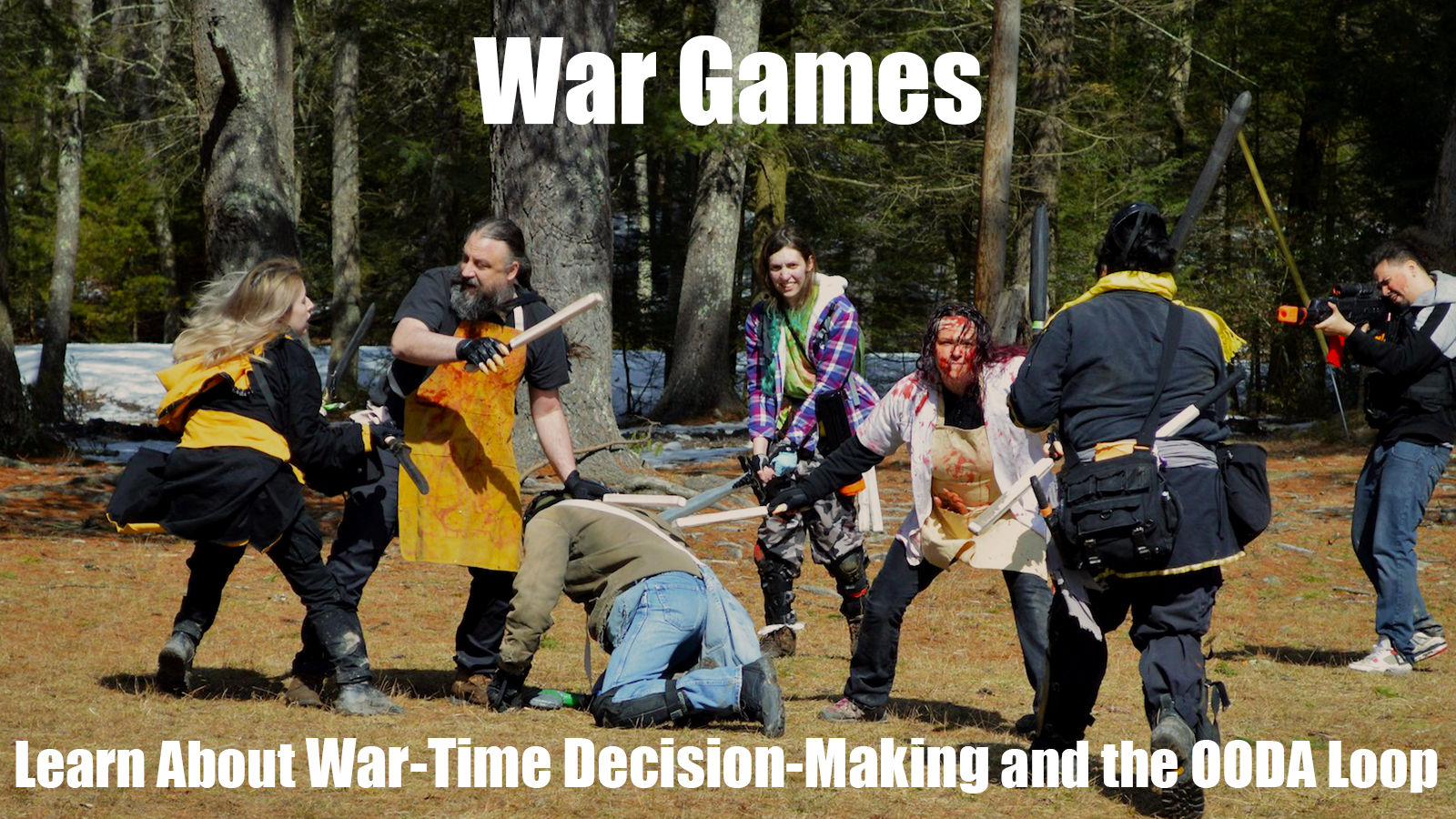
War Games - The OODA Loop

Larp is about making meaningful decisions: your character is presented with a challenge and you have to decide how to act. During a war game like our June Premiere event, Dogs of War, you’ll be given the chance to make choices that will decide the Battle of Requiem.
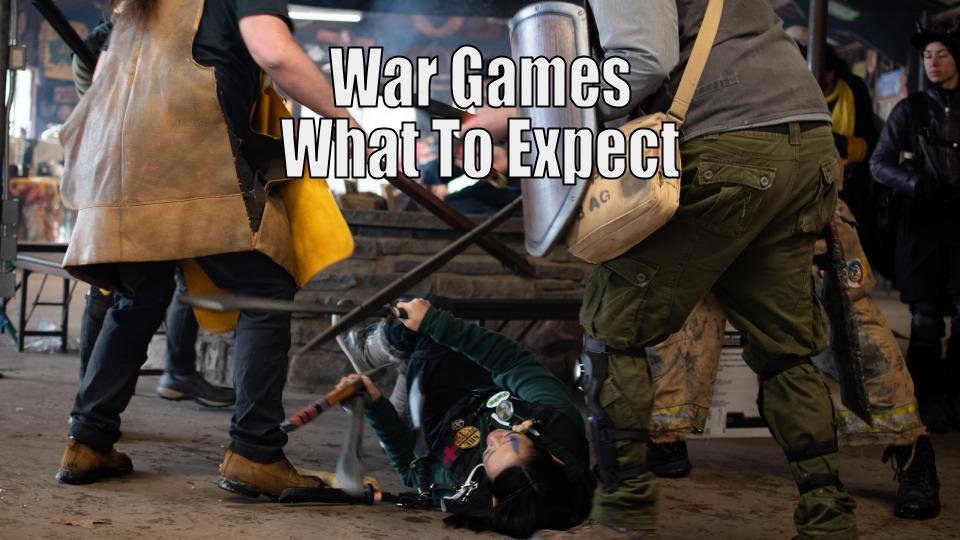
Photo by Allana Marie

Larp is about making meaningful decisions: your character is presented with a challenge and you have to decide how to act. During a war game like our June Premiere event, Dogs of War, you’ll be given the chance to make choices that will decide the Battle of Requiem. However, most of us are not experienced military tacticians, and even those who consider themselves adept at strategy games might not know what to expect from a game like Dogs of War. So how are you supposed to make a meaningful decision in a war game?

The Problem: Don’t Take Too Long

Gen. George Patton said, “A good plan, executed violently now, is better than a perfect plan next week.” He was addressing a common problem, not only in warfare, but anytime a person might need to make a choice: decision paralysis. When in a high-stress situation, people usually don’t have all the information they need to make a perfect decision, and the risk of them making a wrong decision leads to them taking too long and not making a decision at all. In modern military forces, this is why we have a professional officer corp: while anyone with military experience knows a 22 year-old Lieutenant is probably ignorant to the point of being dangerous, they still get to give the orders. Why does this work? Because the young officer has been trained (and will continue to be trained by their troops) to be the one who makes a decision in a crisis. Early on, they’re given simple situations to command, and as they progress, they learn to be decisive in more complex ones. 

However, this is a larp, and our players don’t typically have years of experience or training in these situations. So what tool can they use to make sure they make quick and effective decisions?

The OODA Loop

The OODA Loop is a relatively modern doctrine that can be used easily in larp to make effective decisions in a crisis situation (like you can expect to encounter during Dogs of War). It was developed in the 1970s by a fighter pilot who used the acronym OODA (Observe - Orient - Decide - Act) as a model for military decision-making. It’s extremely effective in any sort of competition that’s not completely turn-based (and as such, is often applied in competitive situations such as business or politics). The basic idea is that instead of making the most optimal decision in a given situation, you want to make a quick but effective decision and get “inside” your opponent’s loop. As you make decisions and execute them, you change the situation, so your opponent’s “optimal” decision is now based on outdated information.

The OODA Loop consists of four steps, repeated endlessly in a cycle:

  • Observe - Take in new information. In terms of larp, this might be a piece of intelligence, the appearance of new NPC enemies, or just noticing something new.

  • Orient - It’s one thing to have new information, it’s another thing to understand it. This step places the new information in the context of everything you already know about the situation.

  • Decide - Once you have an understanding, make a decision. It doesn’t have to be perfect, but if you’ve oriented yourself properly, you already know the options and risks involved. Don’t dwell on them, make a choice.

  • Act - Once you make a decision, execute it. Acting upon your choice changes the situation, and generates new information that both you and your opponent will have to address… by observing the new situation, and starting the OODA loop over. 

Using the OODA Loop In Larp

Once you stop trying to make the perfect decision, and instead focus on quick, effective decisions, you’ll realize this is a good path toward success. Throughout Dogs of War, we’re going to be offering you the chance to gather intelligence… through spying, research, and role-play. You might want to gather as much information as you can before you make a decision, but that’s how you’ll fall behind: we’ll keep coming at you with new information that will change your understanding, and if you don’t make a decision and act, then you’ll fall behind. Conversely, if you come up with a decent plan right away - and execute it - you’ll probably be successful.

For example, at 0100 on Saturday morning, a research team might decode a message that reads, “The commanders will be meeting at the tent near the latrine tonight” (an observation). However, there are at least six latrines in the play area, all spread out amongst the different campsites. You know you want to capture an enemy commander (an orientation), but how do you do it? As you take 20 minutes to figure out what to do, the research team decodes a second message, “The meeting will occur at the campsite closest to the morgue at 0130.” However, that campsite is nearly a mile from the A-Frame… there’s almost no chance for you to get a team there anymore. 

Compare this to a group focused on agile decision-making: once they realized that there were six latrines, they quickly got a dozen people together and started sending people in pairs to each one (a decision). Now, when the team decodes the message, they have a dozen people closer to the objective: a single runner can probably alert them all with time to spare (an action). 

So What Does This Mean For Dogs of War

We want you to experience what it means to be making decisions during the stress of a wartime situation. You should be doing a lot, even if it doesn’t seem to do much, because it’s constantly putting you in a better position for when it does pay off. As we get closer to the event, we’ll make sure you have a design document that helps set the context for your decision-making: what the stakes are, what happens if specific things go wrong, and what you can accomplish if you achieve certain objectives. As you get a piece of information, use the OODA Loop to quickly make a decision. Not only will you likely be more successful, but you and those around you will have a fun time winning this war.

Read More
Setting Info DR NY Setting Info DR NY

War Games - What To Expect

We’ve just released a Save-The-Date for our June Premiere Event, The Dogs of War, where we’ll spend the entire event telling the story of the Battle of Requiem. While this is far from the first time a Dystopia Rising chapter has simulated a battle, we want to approach this event differently. Often, larps about war focus on big battle scenes… that’s not what we’re going for. We want to bring you the tension and intensity of a wartime scenario, punctuated with brief and brutal episodes of violence.
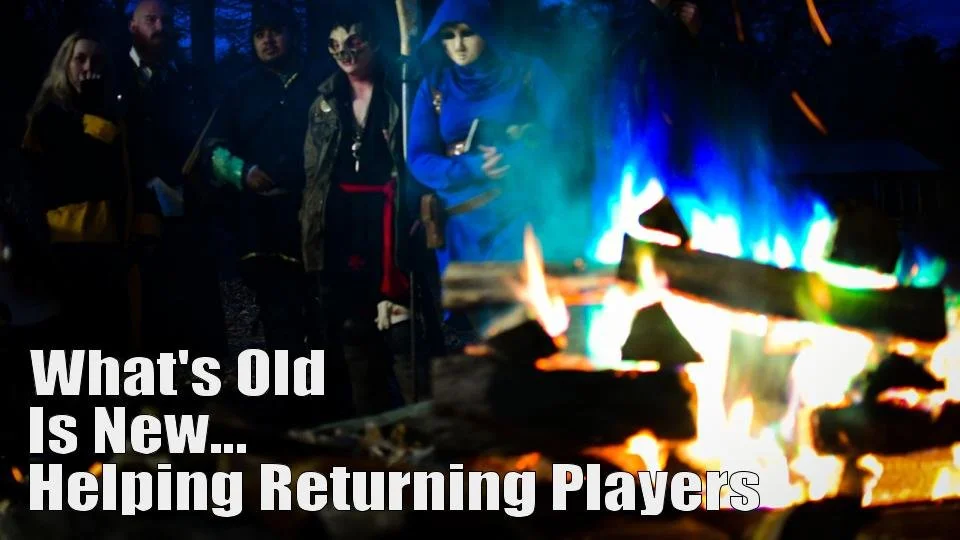
Photo by Shawn Smith

We’ve just released a Save-The-Date for our June Premiere Event, The Dogs of War, where we’ll spend the entire event telling the story of the Battle of Requiem. While this is far from the first time a Dystopia Rising chapter has simulated a battle, we want to approach this event differently. Often, larps about war focus on big battle scenes… that’s not what we’re going for. We want to bring you the tension and intensity of a wartime scenario, punctuated with brief and brutal episodes of violence.

So what does this mean when DRNY runs a war game?

The Base Mechanic: Hurry Up & Wait

“Hurry up & wait” is a common complaint in a war zone. You don’t know when the enemy will attack or reveal themselves, but you have to be prepared when they do. So there’s a lot of work to do, and you have to get it done fast to be ready… and then you wait. And while you wait, the work piles up again: the act of waiting expends resources. This creates tension where you always have something to do, but you’re also always waiting for something else to happen. 

This is our focus during Dogs of War. Some people want to be out in the dark, stalking their enemies, or on the front lines fighting all the time (and we’ll have plenty for those people to do). But we also have a lot of crafters and cooks, researchers and spies, and those people will be the focus of the story most of the time. This game will demand a tremendous amount of supplies… and those supply needs will be time-critical, forcing you all to work together and prioritize. Further, you’ll have the chance to gather intelligence and dictate the course of the war by the information you collect and the decisions you make with it. In fact, these decisions will be central to the event. 

The Focus: Decision-Making In War

We’re not going to line up your enemies in a shield wall all weekend and send wave after wave crashing down on you (although you can expect at least one pitched battle). This is a guerrilla-style war, where you have to put up patrols and test your enemy's defenses. This means that you’ll need scouts willing to sit out in the dark, waiting for an enemy to show themselves. When they do, you’ll need runners willing to bring the information back to your base, alerting the rest of your forces. And most importantly, you’ll have to decide what to do with that information. 

We’re going to develop scenarios that force you to make interesting choices. They won’t be terribly complex, but they will be time-critical and important. When do you attack? Which resources do you conserve? We’ll give you some of the information you need to make a call, as well as an idea of the consequences of your decisions. And those decisions will have lasting effects during Honor’s Fall and the future of Requiem and the Fold.

The Fighting: Nasty, Brutal, and Short

We’re expecting well over 100 players for this event… even for our stronger NPCs, we know you can overwhelm your enemy with sheer numbers. So we’re going to spread you out, and make you watch different areas of the camp. And when we attack, it’s going to be sudden and hard, making targeted strikes that end quickly. If you’re mobile, and run to the sound of combat, you’ll probably get there on time. If you don’t, you better hope your comrades are ready for a nasty fight. This will make scouts, stealth, and reinforcements more important than just getting all the fighters together and charging.

That said, you can expect some big fights as well. Without giving away our plans, we have some ideas to challenge you and give you some of the most memorable combats you’ve had in Dystopia Rising. And of course, we’re planning on the biggest fight Requiem has ever seen to cap off the weekend. 

Our Secret Weapon - The Return of the Trained Survivors

We’re going to be offering some special incentives to get you to take some extra NPCs shifts over the weekend, but we have one we’re really excited about. Old Timers might remember way back in 2015, when Dystopia Rising recruited military veterans at a national event to run special mods against their friends. These were called the “Trained Survivors,” and we’re bringing them back for our June Premiere.

The Trained Survivors will be asked to do two additional NPC shifts, one Friday night and one Saturday during the day. In return, we’ll comp their tickets and offer full Build, along with a very special “thank you” gift.  Your characters will also get special plot consideration, operating “far behind enemy lines” to bring back special intel. We will prioritize people with military experience and similar training for this crew, and you’ll be assigned your Guide to travel with you for your shifts. 

We’ll be posting more about The Dogs of War with our War Games blog posts in the months leading up to the event. Also look for information on our AMA events, where you can bring your questions and concerns directly to the staff. 

Read More
Advice DR NY Advice DR NY

What’s Old Is New - Returning Players

At Dystopia Rising New York - and to a degree, the network as a whole - we think a lot about new players… how to recruit them, how to make them have a good experience, and how we can bring them back for more. And this emphasis is important! New players are the lifeblood of any larp, and there’s a good reason we focus on them. But sometimes, in our zeal to improve the experience for new players, other groups get left behind. And one group in particular needs some attention these days: returning players.
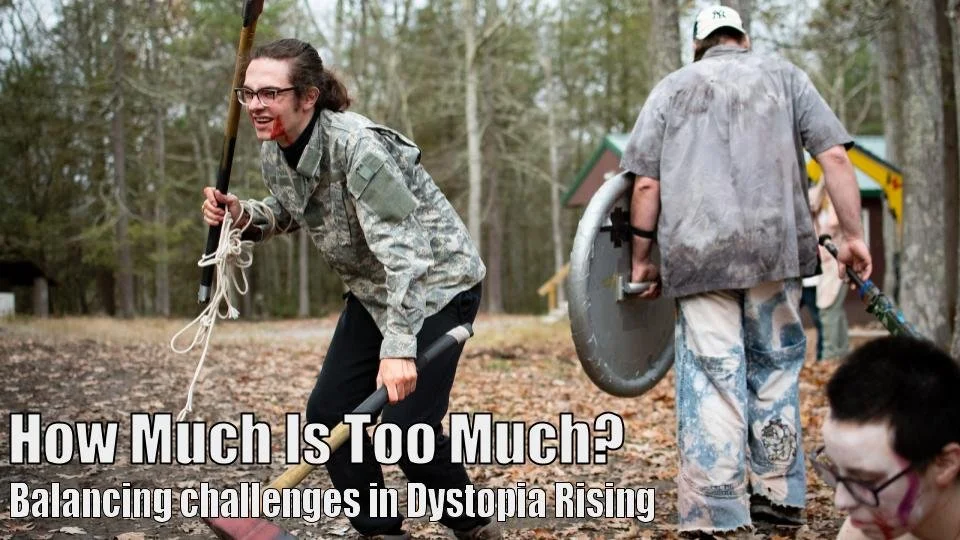
Photo By Shawn Smith

At Dystopia Rising New York - and to a degree, the network as a whole - we think a lot about new players… how to recruit them, how to make them have a good experience, and how we can bring them back for more. And this emphasis is important! New players are the lifeblood of any larp, and there’s a good reason we focus on them. But sometimes, in our zeal to improve the experience for new players, other groups get left behind. And one group in particular needs some attention these days: returning players.

What Do We Mean By “Returning Players?”

Given time, everyone moves on from their favorite larp. Maybe our lives change, maybe we leave for health or physical reasons, or maybe we just lose interest. But sometimes, people come back. Their reasons vary: maybe they’ve resolved the situation that kept them from larp, like they finished grad school and now have free time. Or maybe they missed their friends and want to see them again. For whatever reason, a returning player is someone who took an extended break and decides to come back. 

Often these players have some common traits:

  • They probably never played under the current ruleset, and are unfamiliar with how the rules work.

  • They previously played for a decent period of time, having established themselves and their character in the larp.

  • They probably don’t recognize a lot of faces, as many of their friends have also moved on. 

The Issue: We Don’t Offer Returning Players the Same Level of Care

So imagine if a new player showed up, didn’t know the rules very well, didn’t have many friends, but had a strong character concept they really wanted to play. How would you treat them?

Now imagine someone showed up and does the exact same thing, but they’re a returning player, their strong character concept is actually based on years of play with which you’re unfamiliar. How does that dynamic change for you?

A returning player is a lot like a new player, only they’ve invested time into their character concept, and it’s harder for them to change it. If anything, they have a bigger obstacle to play in some way: they can’t easily recalibrate years of history with a hand wave. Further, the game has changed quite a bit in terms of setting in the last few years, meaning there’s a lot of change to navigate. But a returning player has another obstacle to clear: the resistance of existing players.

Larpers sometimes have a bad tendency to establish a hierarchy, particularly in long-term games. It takes a while to earn experience, establish social connections, and set up things like in-game organizations or businesses. When a new player arrives, there’s no threat of competition: this new player has to take time to establish their character. But a returning player might come back with a significant amount of experience, stacks of in-game money and scrap, and memories of social connections that they find important. They might have been leaders of organizations previously… and if they try to reestablish themselves, other larpers might look at it as a threat. 

The result? Where a new player might get assistance, a returning player might get ignored, or worse, a defensive correction. If a new player comes in and starts making up a magnificent backstory on the spot, they’re greeted with enthusiasm, but if a returning player tells a similar story that happened in actual play, other players often fail to engage or worse, shoot them down. Returning players need support too and often they’re met with indifference or worse.

So What Should We Do?

Returning players need our support. After all, they decided to come back for another shot… while it’s hard to try something new, it’s just as hard to come back after years away. Here’s some specific solutions to help returning players engage with the game:

  • Tell… and listen to… war stories. Nostalgia often plays a part in a player’s decision to return. Don’t just listen when they tell you about something that happened at a game ten years ago; ask them about it. Find a common point and tell a similar story. But engaging with these stories takes “ancient history” and makes it into shared history.

  • Involve them the way you would a new player. Lots of us are very good at inviting new players to join us in various activities. Extend that same courtesy to returning players. What’s more, work to get them involved, particularly in things like religious activities or criminal influence meetings. They may have been highly involved previously: let them get involved again. 

  • Guide them through change, don’t just correct. A lot of story elements have changed. Some changes were dramatic and often done to remove problematic elements from the setting. Many were more subtle. Sometimes, a returning player might not be “playing the same game;” when this happens, you probably need some extended role-play to guide the player through the changes, as opposed to just telling them they’re wrong. Remember, change is hard, and it’s harder when people aren’t patient.

  • Let them shine, particularly when they use their skills. The ruleset we use has changed a lot, and it can be extremely frustrating for a player who remembers how their character previously played when they’re struggling with a deadlier system today. If you have a chance to let them be the one who uses their mechanics to save the day, encourage them. Having a few “wins” early on can help them enjoy the system much more.

What About The People Who Never Left?

We’ve talked about how to help returning players, and we try to make every effort to help new players, but there’s another group we should mention: our regulars. While new and returning players have particular obstacles, our regulars are just as important, and deserve to enjoy the game as much as anyone else. If you’re a regular, don’t forget: while it’s important to help new and returning players, your fun is also important. You’re not wrong to advocate for your own experience, as we know you will be mindful of others while you do.

Read More
Larp Thoughts DR NY Larp Thoughts DR NY

How Much Is Too Much?

When you design a boffer larp, you’re not really making a competitive game: the players are going to win. Like a video game, there’s an illusion that you’re struggling against an opponent, but in the end, the NPCs are going to lose, and the storytellers aren’t really trying to defeat you. Instead, there has to be an “illusion of failure,” mixed with actual setbacks, minor defeats, and “reach goals,” to create the sense that you have agency, when actually, it’s really hard to lose. So the biggest challenge for designers is how much adversity should players encounter before they win… or “how much is too much?”
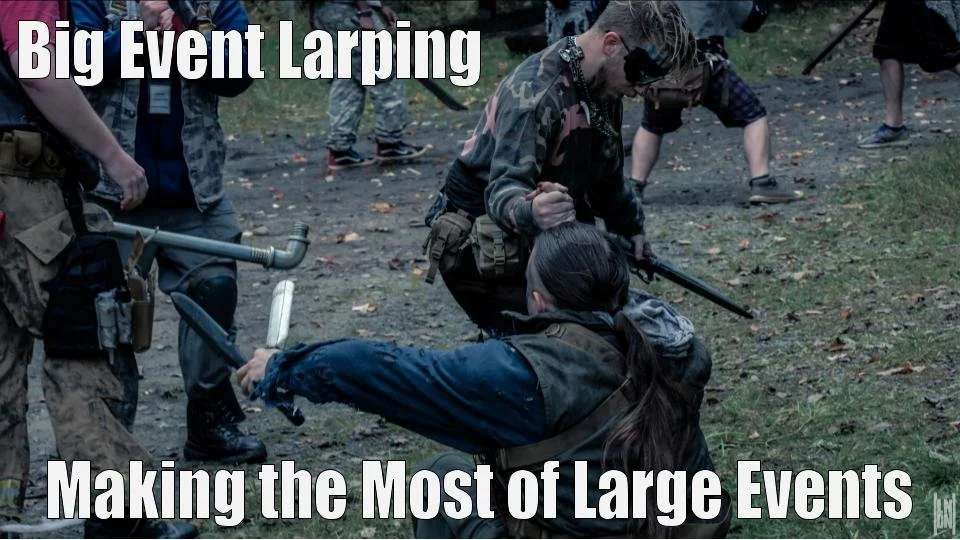
Photo by Shawn Smith

When you design a boffer larp, you’re not really making a competitive game: the players are going to win. Like a video game, there’s an illusion that you’re struggling against an opponent, but in the end, the NPCs are going to lose, and the storytellers aren’t really trying to defeat you. Instead, there has to be an “illusion of failure,” mixed with actual setbacks, minor defeats, and “reach goals,” to create the sense that you have agency, when actually, it’s really hard to lose. So the biggest challenge for designers is how much adversity should players encounter before they win… or “how much is too much?”

The Adept Survivor Problem

In Dystopia Rising, as in other larps with quantifiable mechanics, we have a particular problem. The wastes are full of zed, raiders, and critters who want to kill and eat your character, and they know that… so they struggle to prepare for the worst. Not only do they spend Build to gain skills, Body, and Mind, but they also craft gear such as weapons and brews. It’s a feature of the system that the more games you attend, and the more crafting you do, the better prepared you are for threats. However, the better prepared for threats you are, the easier they are to overcome, and the “illusion of failure” disappears: you’re running roughshod over your enemies. But if the designer ups the threat, then your work is for naught; the perceived challenge remains the same no matter how bad ass your character gets. We can call this the “Adept Survivor Problem:” the more adept your character is as a survivor, the more they’ll encounter dire threats to their survival.

Compounding this problem is that all characters have a different level of survivability. This is a matter of character longevity (i.e. Build) and wealth, but also player experience (such as knowing what items work the best in a given situation) and interest (not everyone enjoys crafting or economy). When designing for large groups of players, the Adept Survivor Problem becomes a tricky balance. 

Lots of Solutions, But No One Way

There are lots of ways to deal with the Adept Survivor Problem, but really, no one solution will work. Designers have to use a mix of options to challenge players, particularly in large groups. Using one tool too much causes frustration, so it’s important to use a mix of them. Here are some tools we have as Dystopia Rising designers to create that “illusion of failure.”

  • Respawning enemies: having lots of enemies to cut down lets players feel like a bad ass, killing lots of zed or raiders, and challenges them with attrition. 

  • Control Calls: area of effect crowd controls and other similar effects create a moment of inescapable challenge, letting the enemies get a few hits in before they disappear.

  • Weird Shit: in Dystopia Rising New York, we like to throw unique zed and calls at you that can surprise players and create a moment of confusion.

The Effect On Players

Because of the multiple ways to address the problem, players end up on a bit of a roller coaster. This isn’t a bad thing: remember, the designers are trying to create that illusion of failure, and that illusion will create frustration, fear, and anger in the characters. Sometimes, those emotions bleed over to the player… and that’s also okay, as long as it doesn’t disrupt their play. If a player can continue to play, they’ll eventually win or accomplish their goals, and that feeling of accomplishment will also bleed over to the player. But if the negative emotions stop play, then both the designers and the players have to work together to get the game back on track.

So what can you do as a player when you’re too frustrated to continue to play? First, while anger is a valid emotion, it’s often not a constructive one, particularly in a cooperative game like a larp. It might be best to take a break, cool down, and then either continue play (and send feedback afterwards) or talk to a guide. When you talk to the guide, try to focus on what you want to happen; this gives the storytellers an idea of how to move forward. And finally, remember this piece of advice: wait until the smoke clears. Often, your frustration peaks at the most difficult moments of the larp, and there’s a plan for what happens next. Sometimes it’s best to keep playing, and see how things turn out, than to stop a story before you get to the ending.

Read More
Advice DR NY Advice DR NY

Big Event Larping

There are games, and then there are games. A Dystopia Rising chapter typically runs between 8 to 12 games a year, and for the most part, they’re relatively uniform: a chapter has a typical level of attendance that remains constant, plots players can expect, and plenty of time for socializing. However, once a year we all get to host a premiere event, and when we do, we want to make it into an event. It is, after all, our game of the year. And so we’ll promote it, offer more build, and do everything we can to attract players. But doing so makes a problem for our players: with great hype comes great expectations. How can a large event live up to expectations?
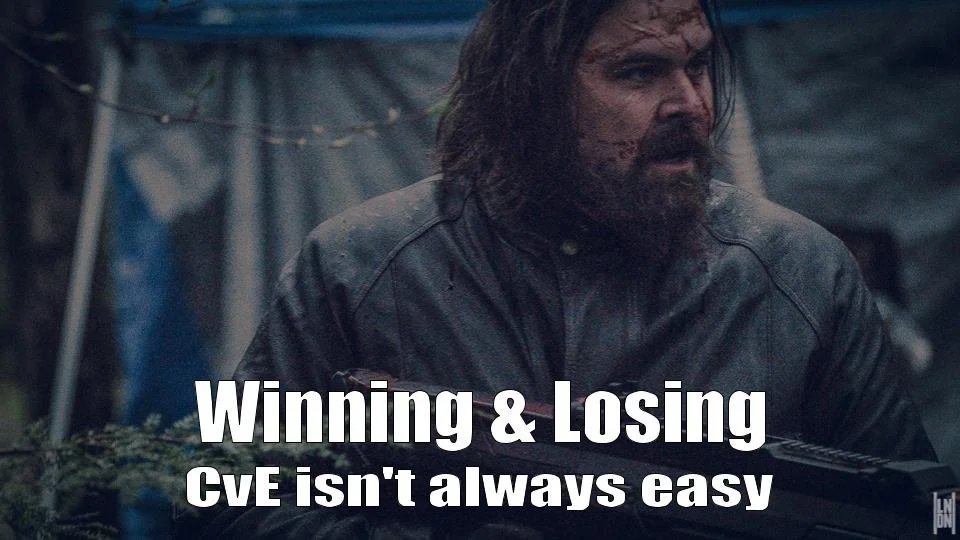
There are games, and then there are games. A Dystopia Rising chapter typically runs between 8 to 12 games a year, and for the most part, they’re relatively uniform: a chapter has a typical level of attendance that remains constant, plots players can expect, and plenty of time for socializing. However, once a year we all get to host a premiere event, and when we do, we want to make it into an event. It is, after all, our game of the year. And so we’ll promote it, offer more build, and do everything we can to attract players. But doing so makes a problem for our players: with great hype comes great expectations. How can a large event live up to expectations?

As many players are new to large events (or worse, have had bad experiences), here’s some things you can do at a premiere event (such as Honor’s Fall) to make sure your big game is one to remember.

Big Means Big

Big games run differently than smaller events. For one, there’s a lot more people, so combats tend to be either very large or over very quickly. If the staff send out a role-play mod, it’s less likely to touch all the players. And anything with a line (like the post office) gets a lot longer. So a lot of the things you might enjoy at your regular game become more difficult to enjoy, simply because of the number of people involved. 

It’s important to remember that the staff will design mods and events for many people to enjoy at once, and between these events, there might be less to do. This is especially true for an event like Honor’s Fall, where not only are we running for 150 to 200 people, we’re also focused on running all through Saturday night. To accommodate, we’ve planned a couple of big surprises throughout the event, and also have special events (like the Bacchanal) and special areas (like the Hot Zone) where many people can engage. Take the time to engage with these planned events, so that you can experience firsthand what the premiere event has to offer.

Have a Good Plan, Then Toss It Way

Since there will be more scheduled events, you’ll probably find many demands on your time. Not only do we have two Bacchanals, the chance to enter the Hot Zone, and a full 11 hour horror-spree planned for Saturday night, we’ll still have things like your criminal meeting and other regular events. In addition, with all the travelers, you’ll probably make plans to spend time with people of your faith, friends from out of town, and, of course, the Requiem Families who have a lot to do Saturday night. And this is before we interrupt you with things like the return of our merry band of raiders. There’s a lot to do.

Closer to Honor’s Fall, we’ll release a schedule with everything you need to know about the event. Use it, make plans… then be prepared to scrap them. The important thing is that the act of planning makes you aware of what you can do, and what you want out of the event. Stuff will pop up that will ruin your plans, and you won’t be able to do everything you want to do. Having a good plan, and then being prepared to deviate, will help make sure you hit the events most important to you.

The People Are The Biggest Part

For all the modules we write, props we make, and stories we tell, the most important and engaging part of Dystopia Rising are the other players. As we approach larger numbers on site, more players will be creating content - cooking food, playing music, holding faith gatherings - and that is the content we really want to showcase. The reason we’re holding a Bacchanal is to present some of the best our game has to offer in terms of food, entertainment, and crafting. However, this player-created content isn’t limited to the Bacchanal, and we encourage you to create an event (or distribute pamphlets, or just jam out with your instruments) on your own.  

As the size of the game increases, the focus of the staff broadens and diffuses, so it’s important to realize how you fit in, and to lean on your fellow players. While we’re going to hit you with everything we’ve got (and believe us, our NPC shifts have never been this big), we also want to make sure you find time to engage with all the activities you can, and remember that the best part of any event are the other players.

Read More
Advice DR NY Advice DR NY

Winning & Losing In Larp

“Playing to Win” gets a bad rap in larp. Larp is a cooperative act, where we gather and agree to a common story and context, and yes, competition gets in the way of that sometimes. Approaching a larp in a play to lose manner overcomes this, and is a valid (even encouraged) playstyle. But many larps, and Dystopia Rising in particular, are games, and games have optimal and suboptimal outcomes. So when you play a larp where you can “win” or “lose,” you have to understand the game and how it affects you.
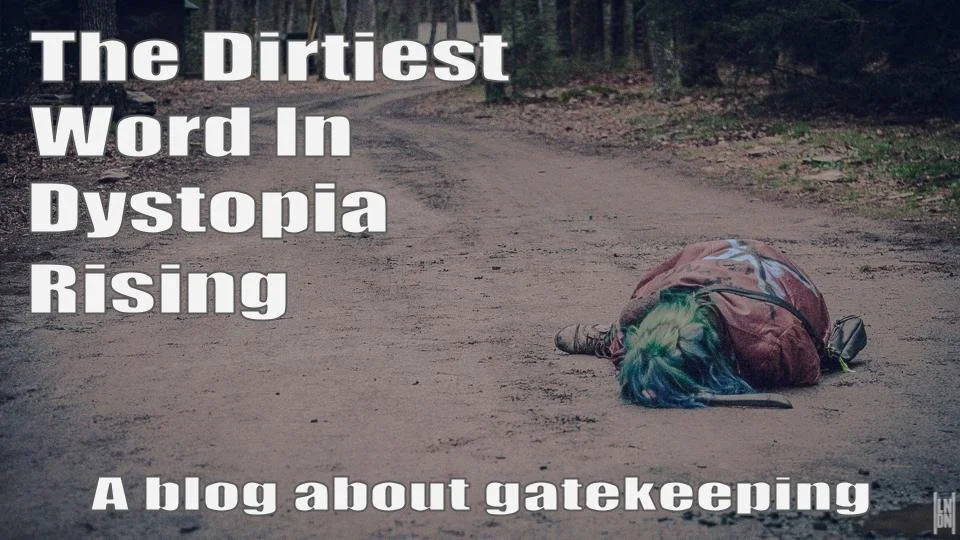
Photo by London Belli.

“Playing to Win” gets a bad rap in larp. Larp is a cooperative act, where we gather and agree to a common story and context, and yes, competition gets in the way of that sometimes. Approaching a larp in a play to lose manner overcomes this, and is a valid (even encouraged) playstyle. But many larps, and Dystopia Rising in particular, are games, and games have optimal and suboptimal outcomes. So when you play a larp where you can “win” or “lose,” you have to understand the game and how it affects you.

Disclaimers

First Disclaimer: This isn’t a post about Character versus Character (CvC) conflict… this is actually a post about Character versus Enemy (CvE) competition. This is about fighting that horde of zed, unraveling an in-game mystery, or solving a problem presented by the storytellers. If you’re trying to overcome a challenge in Dystopia Rising and invested in the outcome, you’re playing a game where you can win or lose. 

Second Disclaimer: The term “you can’t win a larp” is superlative… there’s some merit to the statement, but it undermines certain playstyles that are completely valid. If Raiders attack a cabin, you can save the people inside - that’s a “win.” Remember, this is about CvE - when you’re playing “against the NPCs,” you’re still competing against people. 

The Storyteller’s Dilemma

When you’re playing to win against NPCs, the NPCs and the storytellers are in a dilemma. On one hand, typically, they’re not playing to win. They want to present a challenge to the players to overcome, one that is appropriately difficult. On the other hand, they need to make the challenge feel real… and that means that sometimes, the storyteller has to win. After all, if a player never suffers defeat or setbacks, then how does the storyteller maintain the illusion of a challenge?

This is a tricky balance, and it’s made tricker because the storyteller doesn’t know how good the player will be at the game they present. With many variables, the storyteller can present an excessive challenge, or one that’s too easy. Further, the player might expect a completely different challenge, and not realize the particular type of game they’re playing. The answer to this problem is communication: where the storyteller presents the information they have, and the players respond with what they understand and what they want. However, this communication is blocked by the player’s dilemma.

The Player’s Dilemma

The player in a game wants to “win.” They want to kill the zombie, or solve the puzzle, or find the buried treasure. But realize it’s the action that’s important to them: they don’t care nearly as much about dead zombies, revealed secrets, or treasure in hand. They want the experience of accomplishing a goal. And just like people may resent getting a hint at a puzzle, players want to solve it themselves. So instead of saying “we want the solution,” or “we want a hint,” or even “we’re not sure what to do,” they keep trying different solutions, taking stabs in the dark even as the storyteller tries to figure out how to get them back on track. There’s a solution to this problem, which we call the HULK check.

The HULK Check

Just like we have the OK Check-In to address other people, particularly in the middle of conflict, we have a check-in we’ve developed for people in the middle of CvE conflict. The HULK check is something you do by yourself, to check how you’re engaging in the player’s dilemma. 

H - Having Fun Am I having a good time right now? Is this activity fun and causing me excitement? Or am I beginning to get frustrated, angry or hurt?

U - Understanding Do I feel like I understand what’s going on? Do I think I know the next step of the plan? Or am I taking shots in the dark with no idea how to succeed?

L - Losing Am I ready for the plan to not succeed? Have I considered how I’ll roleplay if I fail?  

K - Kindness Have I considered how I’m impacting other players? This isn’t a matter if other people are being kind to me, it’s a matter of am I being kind and considerate to other players.

If the answer to any of these questions is negative, do one of three things:

  1. Take a break! Sometimes you just need some space.

  2. Ask for a hint. Talk to a guide and tell them you need some help. Don’t tell them you’re not having fun or the module is bad… ask for actual help. Try “I’m not sure what to do next… can you give me a hint?”

  3. Double down on losing. Sometimes, it’s more fun to commit to tragic consequences than it is to struggle to win. Let your character make a mistake, and gain control of the narrative, even as you lose.

CvE conflict involves winning and losing - it’s a simple fact of Dystopia Rising. If you want to win, you have to be ready to lose, and the HULK check is there to help make sure you self-calibrate during the game, so that you can enjoy both outcomes.

Read More
DR NY DR NY

The Dirtiest Word in Dystopia Rising

Before we talk about the dirtiest word in Dystopia Rising, let’s call out one other problematic larp behavior: splitting (also called black-white thinking). Splitting happens when we look at something as “all good” or “all bad” instead of realizing that the thing is actually a mix of both.
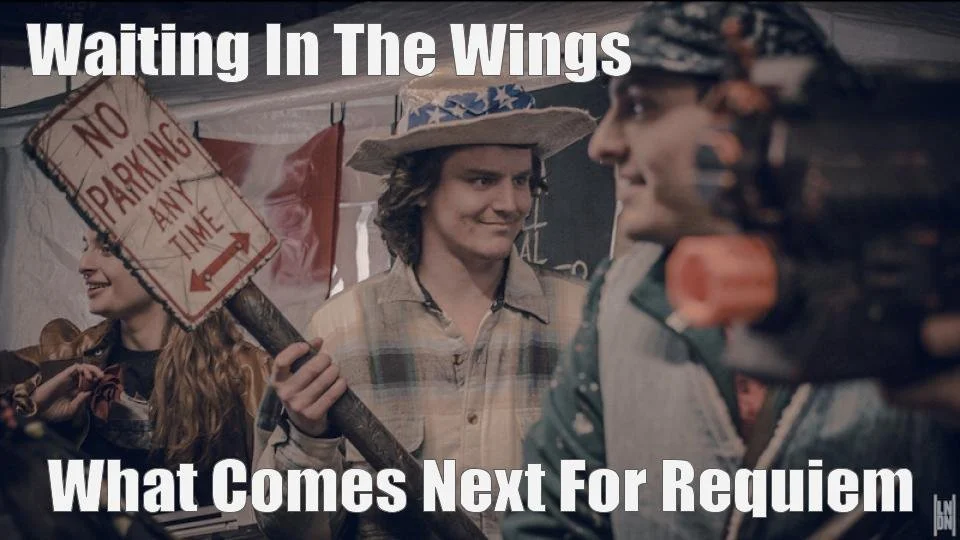
Photo by London Belli.

Before we talk about the dirtiest word in Dystopia Rising, let’s call out one other problematic larp behavior: splitting (also called black-white thinking). Splitting happens when we look at something as “all good” or “all bad” instead of realizing that the thing is actually a mix of both. There are behaviors that are all bad (hitting someone in the face is bad larp behavior), but most of the things we do at larp can have both positive and negative consequences. It’s important to remember splitting as you read the blog, because we’re about to say a word that some players have called “the worst thing ever.”  Here’s the word:

Gatekeeping. 

We’re going to talk about Gatekeeping, why it’s bad for Dystopia Rising, but also the problem with it’s status as the dirtiest word in DR. 

What Is Gatekeeping?

Strictly speaking, gatekeeping is limiting access to a community, event, or other social organization. In geek circles, it’s often used to describe people refusing access to various fandoms, often informally (“Oh, you didn’t play during 2.0? Then you couldn’t understand why…”). In Dystopia Rising, we can be a little more specific: it’s usually used by players to prevent other players from accessing certain parts of the game. It might be limiting access to a mod, preventing someone from joining an in-character organization, or hoarding the only copy of a popular print. Like many larps, Dystopia Rising used to have a culture of overt gatekeeping that many chapters, including Dystopia Rising New York, have been working to overcome for years. We want players to have access to all the cool parts of our larp.

Why Is Gatekeeping Bad?

First, gatekeeping isn’t inherently bad, but when it’s a positive, we usually don’t use the word “gatekeeping.” For example, a chapter can issue a Refusal of Service to a problematic individual, and that’s a form of gatekeeping. So are things like Master Criminal Influence mods, which help organize requests for specialized plots and make running the game more manageable. However, we’re not talking about these forms of gatekeeping.

“Bad” gatekeeping typically involves players not sharing. Sharing is an interesting virtue; we teach children to share, and then forget how to do it as adults. Gatekeeping typically involves a tendency to say “this is mine” - my plot, my group, my item - when other people want you to share. It’s not gatekeeping to have your own things: to have your own in-character group or have your own equipment. But when someone else asks to join your group, or makes a reasonable request to share a resource, it’s time for a responsible player to start thinking “how do I make sure everyone participates.” Gatekeeping, in the negative sense, is this failure: the failure to share the experience. 

We like framing gatekeeping as a failure (as opposed to something with malicious intent) because most gatekeeping is due a lack of understanding. Often, people don’t ask to go on the mod or to see the blueprint or to go to the Criminal meeting. But when someone does ask, and they get a “no,” that is gatekeeping.

The Problem With The Problem

Right now, some readers are bristling, thinking that we’re saying “any time you say ‘no’ to another player, it’s gatekeeping.” We kind of are. But remember what we mentioned at the start of this blog: you have to avoid splitting. Gatekeeping is usually “bad,” but sometimes it has positive or necessary consequences.

If anyone can go to the Criminal Influence meeting, why should people buy the skill? In this case, gatekeeping promotes fairness. If you just bring enough food for you to eat, why should you have to share food and go hungry? In this case, gatekeeping is reasonable. If you don’t pay for in-game goods and services, how can we have an economy? In this case gatekeeping is inherent to the game. 

The problem with the problem is entitlement. Sharing implies a communal sense of fairness: we all want people to have a good time. But if we only consider our own access to social resources… can I get in the meeting, can I have some of that food, can I see the super secret new print… we’re not actually concerned about the community. We have to still be fair and reasonable and understand the limitations of the game before we make the call of “gatekeeping.”

People come to Dystopia Rising to play in a world that has scarcity, that has secrets, that has bad people doing bad things, and this means some game elements will always have to be behind gates. Some of these gates require a good deal of time and effort to open these gates, and doing so can be quite rewarding. Remember, you might only see the reward at the end, and not the effort that went into achieving it. Be considerate, even while you advocate for yourself, so that you don’t become part of the problem with the problem.

Read More
Setting Info DR NY Setting Info DR NY

Waiting In the Wings - What Comes Next

During our May event, you’re extremely likely to experience the conclusion of the Jones War and the end of the Anarchy (we say “extremely likely” because you can always throw us for a loop). But what about June? And our premier event in August, Honor’s Fall? Role-play is a collaborative activity, and both the storytellers and players should work together to guide the narrative. To do this, we want to talk about three things: steering, pacing, and agency.

Photo by London Belli

During our May event, you’re extremely likely to experience the conclusion of the Jones War and the end of the Anarchy (we say “extremely likely” because you can always throw us for a loop). But what about June?  And our premier event in August, Honor’s Fall? Role-play is a collaborative activity, and both the storytellers and players should work together to guide the narrative. To do this, we want to talk about three things: steering, pacing, and agency. 

Steering

We have our Future of Requiem discord chat - this is our “steering session” for us and our players. If you’ve ever played a tabletop role-playing game, you might be familiar with the concept of a Session 0, where both the players and storyteller get together and talk about the campaign they’re about to run to get on the same page. During longer campaigns, some storytellers have feedback sessions periodically to learn what the players want to see… what they would like more of, less of, and what new stuff they’d like to encounter. Similarly, during an ongoing larp, storytellers use a variety of feedback tools to learn what their players want.  This discord chat is one such tool.

During the chat, we’re going to talk about a couple of specific topics, including our plans for Honor’s Fall and the Treaty of the Fold. But the important thing is that this isn’t us talking to you, or you asking us questions: we want you to tell us what you want and your expectations are. Then, we’re going to take what you tell us and either figure out how to meet those expectations, or explain why we’re going in a certain direction. Remember, steering is a process, not a one-time event, so while our Discord chat is a major opportunity to work together, we’ll continue to solicit feedback and adjust our design based on your inputs. 

Pacing

We have two games before Honor’s Fall, our premier event and game of the year in August. We’ve had amazing engagement and buy-in from our players leading up to the end of the current plot arc, the Reckoning, and now we have to manage the pacing of the narrative so that we peak in August without either rushing or having a “down” event. To accomplish this, in May, we’ll focus on ending the Jones War and the violence known as the Anarchy.  We want to offer resolution to the crisis phase of events, and give you the opportunity in June to really decide the situation politically.

In June, we want you to have the ability to nail down the politics of Requiem for the next year. We’ll have NPCs facilitating the revision of the Treaty of the Fold, and defining how the Thirteen Families work, the role of the High Lord Executioner, and function of Honor’s Fall. This last part is the most important, as we want a clear understanding of what’s happening in August at the premier event.  

Then, of course, comes Honor’s Fall. You should expect a return of our signature event, with Saturday Night filled with violence and tension, running from sunset to sunrise. This year, we’ll reinforce the political consequences of Honor’s Fall, while maintaining a simple structure with which travelers can engage.

Agency

Player agency is vital, but remember, we have a lot of players, and we have to take care of all of them. People show up to Requiem for a certain type of Dystopia Rising game, and we want to make sure we provide for them. Too much agency, or agency without boundaries, can negatively impact other players and frustrate the staff. As such, we encourage players to remember that they play in a sandbox with defined boundaries, as opposed to a desert of unbounded sand.

What does this mean? Expect us to apply some boundaries over the next few games. Most of these are relatively broad, but we have a few we need to share:

  • First, we need Requiem to be “Requiem.” To us, that means as a minimum: Honor’s Fall, the Treaty of the Fold, the Families, and in particular the presence of the Anastasia Family. 

  • Second, we need Honor’s Fall to remain similar to what it’s always been: a free-for-all night of violence that determines the future of Requiem. We also need it to remain simple, so travelers can pick a side or just engage in the melee, without requiring complicated explanations. 

  • Third, we’re going to push for an NPC High Lord Executioner, so that we don’t have player characters with blanket authority over other player characters.

This last point requires some expansion, as it’s a pretty big boundary.  We’ve talked before about the problem of effective leadership in larp leading to less dramatic play. However, we’ve also had mixed feedback about the disappearance of the High Lord Executioner, and the lack of structure that the player character family heads had after that disappearance. We want to work out a structure with players that respects their recently established importance, but also lets us use the position of High Lord Executioner to steer the game from a staff perspective, as opposed to the interest of individual players. 

The important thing in all of this is communication, and communication is a process… it’s a loop where one party says something and the other hears it, considers it, and responds. We’re always open to your responses, so that we may consider your ideas. The best way to do so is either fill out our feedback form or email us at info@dystopiarisingny.com.

Read More

Search Posts