REQ-uired Reading
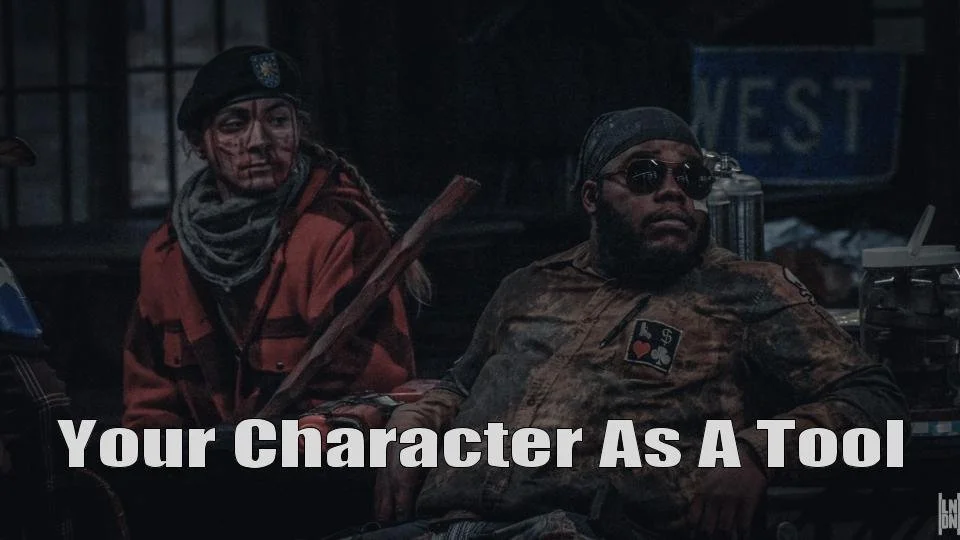
Your Character As A Tool
Previously, we talked about your character not as a person in a story, but as a tool you use for storytelling. As larpers, our characters are precious to us, and often we identify with them strongly. However, we create them, and they aren’t real people but rather tools we use to role-play. As such, we should make sure they’re an effective tool, designed to help us have fun and perform the way we want. So how do we do that?
Previously, we talked about your character, not as a person in a story, but as a tool you use for storytelling. As larpers, our characters are precious to us, and often we identify with them strongly. However, and they aren’t real people but rather tools we use to role-play. As such, we should make sure they’re an effective tool, designed to help us have fun and perform the way we want. So how do we do that?
Know yourself
What do you enjoy at larp? When someone talks about how they’re not having a good time with their character, we often start making suggestions about how to change their role-play, but this is rarely an informed decision. Instead, we should look at the times that they had a blast and ask “what were they doing during that larp?” They should play a character that lets them do those things. Sometimes, characters change over time; it might be useful to replace or revise characters that have changed so much that the player no longer enjoys their larp.
An excellent self-knowledge tool is social media. Have you made posts after a larp describing the awesome time you had? Those memories are your best tools for designing a character, because they give examples of previous successes. Don’t ask “what should I do to have fun?” Ask “what was I doing when I was having fun?”
Ask “What do I want to do?”
After you know what you enjoyed in previous larps, ask yourself, “what do I want to do in this larp?” Your character should be designed to do those things. If your favorite memories in larp all involve hanging out and talking with your friends, don’t design a silent loner, no matter how cool it sounds. You won’t be doing what makes you happy.
In Dystopia Rising, crafting is a good example of something people often do (or avoid) for the wrong reasons. “Getting stuff” is something people do, and something people often enjoy. People have collections, people “keep score” with money - getting your “new toys” is a legit activity. But if you don’t really enjoy getting stuff, chances are you won’t enjoy pretending to farm for an hour of your larp. “Farming” isn’t a good thing to want to do in Dystopia Rising, because you’re not actually farming. However, if you know you really enjoy doing the “rectangle game,” farming in Dystopia Rising is a great activity for you.
Avoid lots of details, but focus on specifics
It’s cool to write a detailed backstory and come up with dozens of characters - it makes your character feel real. But once you’re at a larp, backstory and connections take a lot of effort to include in role-play. No one can include 20 years of backstory in every in-character interaction. Further, it limits growth: the more details you start out with, the harder it is to add more later. So lots of details don’t always help, and they can even hinder role-play.
However, specifics are great tools for role-play. Being able to answer questions very specifically usually gives you something to talk about, or at least something to do. Here’s a good question to ask your Dystopia Rising character: what’s their favorite food? You’re going to be eating at least a half-dozen times over the course of a weekend. Knowing specifically what your character wants to eat gives you something concrete to do as your character, particularly if their favorite food is different than yours (just make sure it’s something you like!)
Make them big
There is joy to be found in playing a subtle, nuanced character. However, Dystopia Rising is not a British film with reserved dialogue… it’s a melodrama with large personalities, death, weird science and lots of other things that keep us running around until the early hours of the morning. Subtle is great, but having something “big” about your character is a necessity in this game. Maybe it’s their personality, maybe it’s their devotion to a faith, maybe they just run headlong into every single combat they see. In any case, figure out what’s big about your character. You want the right tool for the right job, but it’s easier to hammer a small nail with a big hammer than vice versa.
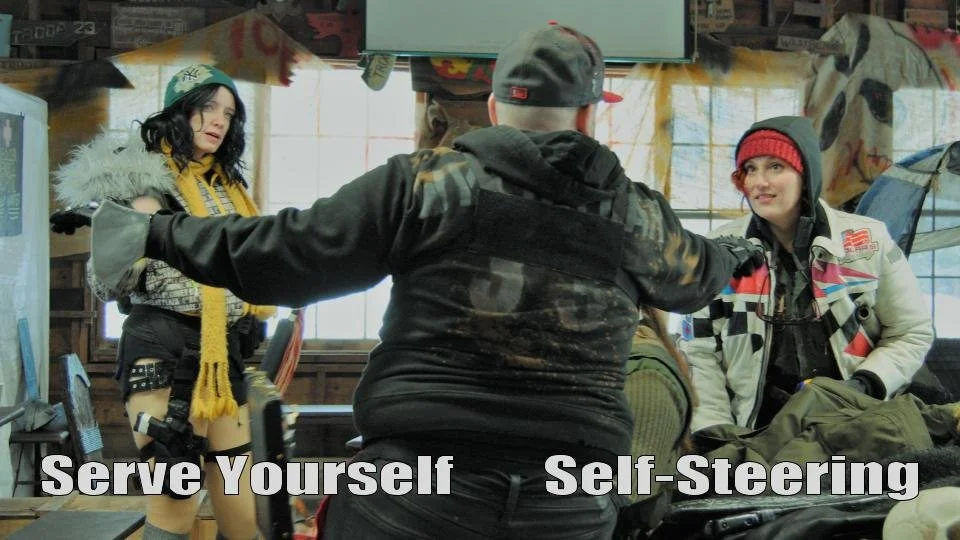
Serve Yourself - Self Steering
There’s no wrong way to larp… as long as you’re having fun and respectful to those around you. For the latter part - respect - we have many tools and techniques to make sure we treat other players properly. This includes the concept of “steering,” making out-of-character decisions for the sake of other players. Examples of steering include making sure you have consent, avoiding problematic or triggering role-play and purposely including other players in activities. But what about having fun? Sometimes, players should steer themselves with out-of-character decisions to make sure they have a good time.
The Agency Problem
In business, the “agency problem” is the set of differences in self-interest between a corporation’s managers (who are trying to keep their jobs and get promoted) and the corporation’s stockholders (who want to make as much profit as possible). While they should be of the same mind, these two goals often misalign. Capitalistic metaphors aside, there’s an agency problem in larp: the interests of the player conflict with the interests of the character. The easiest example is probably fatigue: your character’s best friend has an important meeting at 2 am, but you’re exhausted, so you go to bed rather than stay up. In this case, you choose your own self-interest over your character’s.
This isn’t the same as making bad decisions in-character: your character can make a decision that you, the player, perceive as wrong without a conflict of interest (particularly if you enjoy experiencing your characters suffer and fail). The conflict arises when you feel the need to do something because “the character” wants to do, when you don’t want to. Alternatively, you could really want to do something but “can’t” because it’s “out of character.” This negative version is more insidious… most people realize “I should go to sleep if I, the player, need to sleep,” even if they miss out on accomplishing a character goal. However, fewer people realize that they can still do a fun activity, even if their character wouldn’t.
Self-Steering
It’s not wrong to avoid activities simply because “my character wouldn’t do them.” After all, this is live action role-play, and there is a particular pleasure in playing characters different than ourselves. Staying true to the character’s objectives might be more fun in the long-run than partaking in an activity that doesn’t make sense, in-character. But often, the needs of the character work against a player’s enjoyment. A character might be a brooding loner (not fun for an extrovert), a dedicated crafter (not fun for someone who doesn’t like sitting in one place for a while) or deceptive con-artist (not fun for someone who is anxious about conflict). You should be able to (and even encouraged) to play off-type and accept challenges, but if you’re not having fun, the character… and their interests… aren’t working for you.
Many larpers come to role-play through writing or acting or other forms of narrative, and they want a story. Their characters are built to be characters in a particular story. However, larp isn’t a story… it’s story-telling; it’s an activity you do as opposed to media you consume. Your character isn’t a character in a novel or a television show; it’s a tool you use to perform an activity. Making sure that tool aligns with your interests and your playstyle means that your character will be effective as a tool.
So consider steering your character’s actions towards what works for you, as a player. Remember, you created the character, and their interests. If there’s a conflict, you made it, and you can fix it. If you’re not enjoying that conflict, it could be you’ve picked up a hammer to drive a screw, or a wrench to saw a plank.
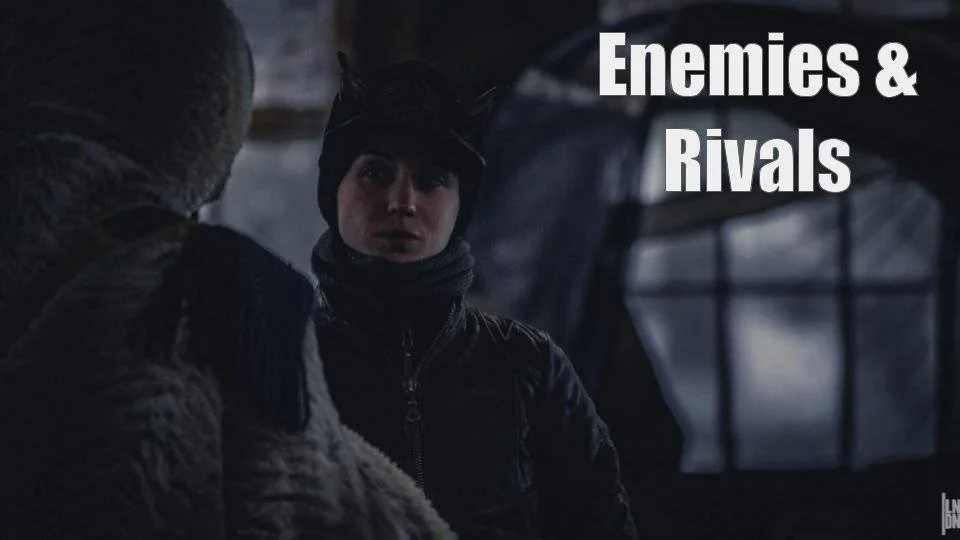
Enemies and Rivals
We’ve talked about Character versus Character (CvC) conflict (several times), but we never really addressed the role-play aspects of in-character rivalries. In a setting like Requiem, our focus on CvC doesn’t mean that we just have to deal with the direct conflict between characters, but the role-play of having another player character as an enemy. How do two players… who we expect to cooperate out-of-character… play bitter enemies? Here’s a few pieces of advice to help you navigate this dilemma.
Your Character Isn’t the Good Guy…
And your enemy isn’t the bad guy.
Here’s a quick gut check: do you think you play a good guy? Are you engaging in violent CvC? Because you can’t really answer “yes” to both questions. Batman, for example, isn’t a “good guy,” he’s a billionaire who beats up low-income criminals, putting them in a hospital because he won’t see a therapist. That said, he’s not really a bad person either: he at least uses his skills and abilities with restraint (refusing to kill) and to oppose murderous forces like the Joker at great personal risk. So Batman is a mixed bag. So is your character.
Your enemy is also a mix of good and bad - and most likely isn’t much worse than you. The first thing to accept when you’re role-playing a rivalry is that you are not the main character; nor is the other character your personal villain.
You Should Be Friends With the Other Player…
Or at least friendly.
Think about the characters with whom you have conflict. Now look at that player. Have you ever sent them a text or a message about something other than the larp? Have you hung out in real life away from the game? Then be careful, because you really don’t know the other player, except for the character you’re trying to defeat in CvC.
People generally make friendly ties with their friends, and find enemies through role-play. Often, the conflicts arise organically, as two players find that their characters are at odds. However, this is an explosive situation, as there’s no relationship of trust and respect between the players. If you have a rival in-character, consider reaching out to the other player, acknowledging the rivalry, and perhaps having a conversation about something other than the fact your characters hate each other.
Role-Play at Game, But Don’t Trash Talk Online
Role-playing conflict can be intensely rewarding. Seeing someone talking about how they’re going to kill your character rarely is. CvC is anxiety-inducing - you don’t know what’s going happen, and you might want to joke or even posture in front of your friends. But while your role-play is in character, talking about how your character is going to smash another is an out-of-character action: now you’re addressing the person.
A better way to do it is to remember that game happens at game. If you want to reflect on the rivalry, focus on memories, and share them with the player of your rival. Building camaraderie between the two of you will result in a better story, and less stress on everyone involved.
A rival can, in a way, be the closest and most interesting character tie you can make. A long-term rivalry can end in defeat, but that relationship can also evolve, like Professor X and Magneto. By making sure you don’t let the CvC develop into a conflict between players, you open yourself up to a healthier and more engaging story.
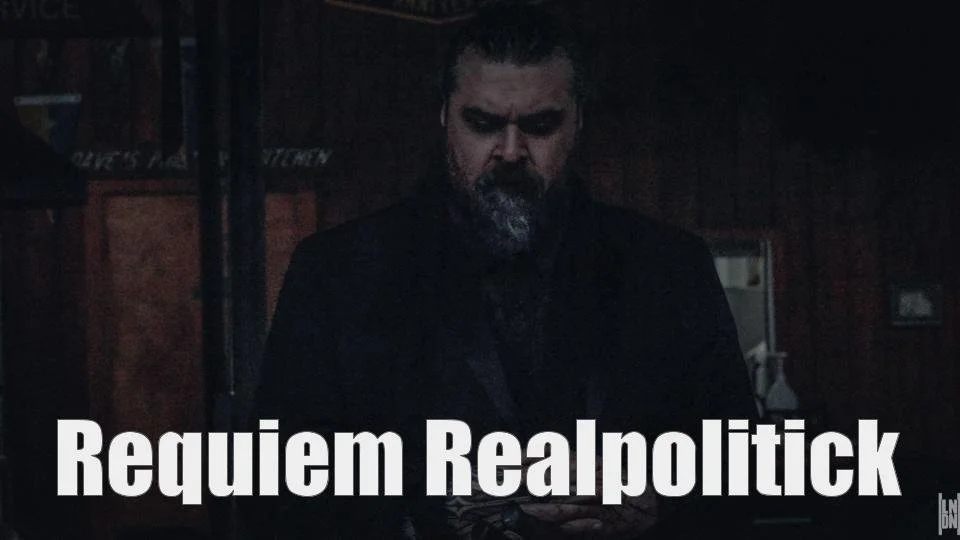
Requiem Realpolitick
The town of Requiem and the settlements of the Fold are said to be “balanced on the edge of a razor” (there’s a reason we have one in our logo). We’ve talked before about the Families of Requiem and the Treaty of the Fold, but the setting we design only matters if the players know how to engage with it. Requiem offers a distinct perspective on politics and powers, with a tremendous gulf between what is said and what is done. When playing in Requiem, remember that the setting favors “Realpolitik” versus the “Rule of Law.”
Forget the Rule of Law
Some people stop at stop signs when no one is looking. They don’t rip tags off of the mattresses. They follow the law. Further, when we’re playing a game with rules, we expect people to follow them - when you’re playing Dystopia Rising, we trust you to spend mind when you use a skill and rip up the item card when you drink a brew. However, when it comes to setting… the rule of law breaks down. Just as in the real world, the powerful people of Requiem say one thing and do another. This is because the people of Requiem… particularly the powerful… are corrupt.
There’s a difference between our local mechanics (which are rules the players must follow) and the local setting documents, such as the Treaty of the Fold (which our NPCs… and Leading Characters… sometimes ignore). So while you still have to follow the game rules, you can kind of forget about the rule of law in Requiem: it’s more “what can I get away with?”
Realpolitik
Instead of the Rule of Law, realpolitik is the norm in Requiem. Realpolitick emphasizes amoral pragmatism over principles or ideals - think Machiavelli. What matters in Requiem isn’t so much the “law,” it’s the people who enforce it. And while they say their rules are absolute, the truth is much less clear-cut.
The best example of this is Anton Anastasia, the High Lord Executioner. Tom, who plays him, does an excellent job of presenting someone confident of his absolute power. However, as you interact with the NPC, you realize that he’s balancing his relationship with the family heads, and needs to make a number of deals and concessions to maintain his position. For example, the Treaty of the Fold changes over time - and those changes aren’t always announced. If you and your character remember there being different rules in regards to Honor’s Fall, you’re not wrong: they were changed as part of a back-room deal.
So What?
So what does this mean if you’re a Requiem player? It means that in-character institutions such as the Treaty of the Fold or the office of the High Lord Executioner are not absolute - they change over time, and respond to the pressure your characters put on them. If you want things to change, you can interact directly with the NPCs - Anton, the family heads - and other players to make things happen. What’s important is leverage - what can you do to pressure these NPCs to get them to do what you want.
This month at Requiem, you’ll begin to see some consequences of player characters applying this leverage. Anton has made some questionable decisions in the past year, and people have noticed. Don’t like the current political system in Requiem? The next few months will give you the power to change it. Just be careful what you wish for.
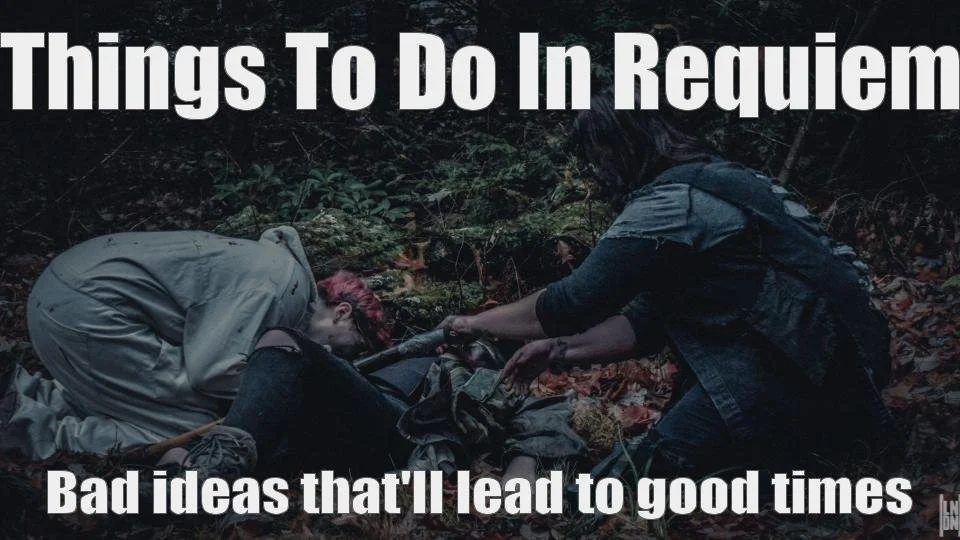
Things To Do In Requiem
Are you a Requiem regular? A visitor who’s coming for their first time? Dystopia Rising always offers zombies to fight and friends to meet, but Dystopia Rising New York also offers a chance to delve into our setting. But setting only matters if players can use it to role-play - you need something to do. So here’s three ways to get involved in the social and political play of Requiem next game.
Break a Law
There’s not many laws in Requiem, but the ones we have matter. Most laws come from either the Treaty of the Fold or the proclamation of Anton Anastasia, the High Lord Executioner. While the Treaty usually deals with large-scale structure, the High Lord Executioner’s laws are… problematic. For example, you can’t talk about defunct families, or lie to Anton. He’s been known to burn books and recently co-opted a player-run broadcast. Realize that Anton’s actions are supposed to push the players into action (and some are already taking action). Breaking a law in Requiem isn’t really being criminal, as most of the people of Requiem already are criminals. Instead, breaking a law is an act of civil disobedience, and let you respond to proclamations that deserve a response.
Make a Deal
Each family in Requiem has a unique trade list; these items can only be obtained by members of the Patron Families of Requiem. Not only do these items offer you the chance to do things beyond the basic rules of Dystopia Rising, you can also use them at other chapters that allow them (specifically, Dystopia Rising Texas). Working out trade routes between settlements can earn you a significant profit, as well as clout both in Requiem and abroad. However, the families aren’t just there to provide trade items. Each Family in Requiem serves a purpose, and interacting with members of that family can bring you specific benefits. For example, the Volkov are information brokers - do you want to learn a secret? Look for their distinctive costuming: masks and blue robes.
Preach Your Religion
There’s a law against preaching in Requiem, but this one goes one step further. Religion and the current state of politics in Requiem don’t mix. However, faith is an integral part of Dystopia Rising, and it’s not our intent to forbid faith-based role-play… it’s to make it dangerous. If you want to push against the current regime and change the status quo, pushing your faith is an excellent way to provoke a reaction. For those who want less risk, secret meetings or rituals in the deep woods are extremely appropriate means of resistance. Even lesser acts, such as having a party Saturday night run by Hedons, is a good way to promote role-play, as it’s sure to make some of the NPCs very uneasy.
The important thing to remember is that the political situation of Requiem is designed around consequences: if there’s a law saying “don’t do that” in-character, it really means “if your character does this, you get to be the focus of attention as everyone finds out what happens.” Maybe your character makes a mistake, maybe they’re brave enough to fight the powers that be, or maybe they’re trying to manipulate the laws to their advantage. But the important things is that you feel encouraged to “fuck around and find out.”
Cold Weather Larping
Cold-weather larping requires more work than just carrying extra socks: while larping in the heat can be rough, the cold offers unique problems that can wear you down. Huddling together in the dark can make for great role-play, but not if the player is uncomfortable or unhappy. Here’s some tips for staying warm enough to enjoy a cold-weather larp.
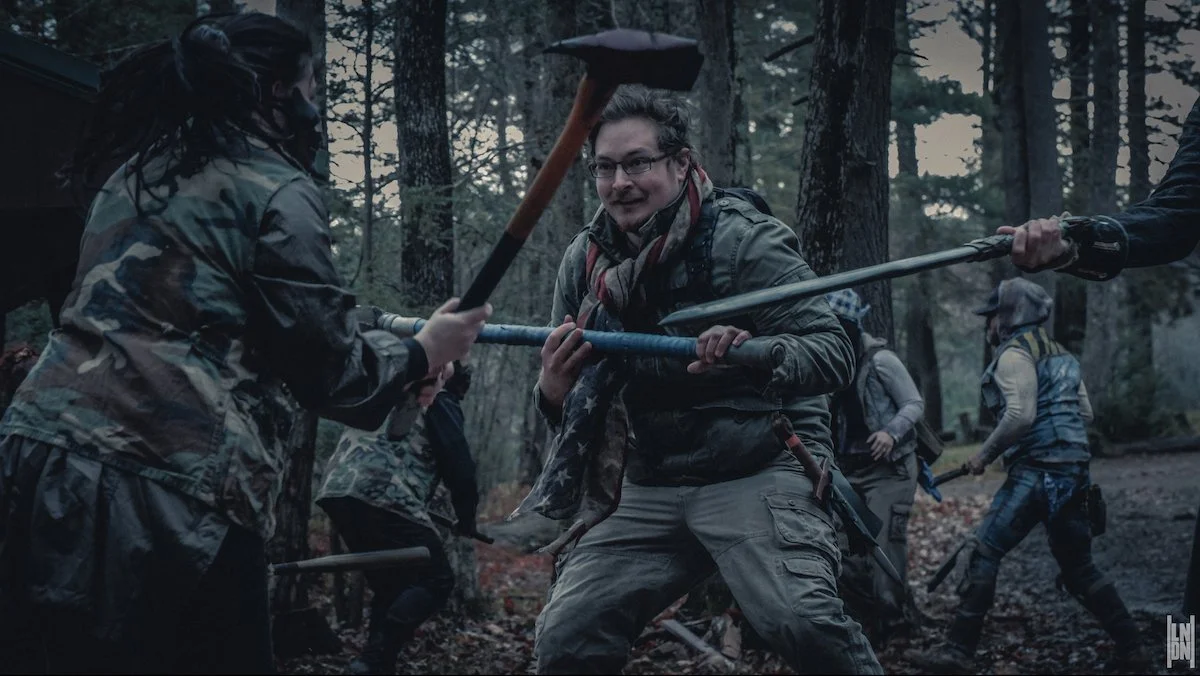
Stay Dry
Unlike hot weather, you’re unlikely to get a serious injury in the cold… unless you get wet. Your body can produce heat much more efficiently than it can cool you down, but if you’re wet, it can’t keep up. Not only will you be more comfortable if you stay dry, you’ll also avoid hypothermia and frostbite.
While you hear the advice, “change your socks” often, what you’re actually doing is removing sweaty clothing and replacing it with dry clothing. Sweat is your biggest enemy in the cold; if you’re warm walking around, you’re probably sweating as soon as you start fighting. You need a base layer of clothing that wicks sweat away from the skin, and it’s essential to stay hydrated. Be hyper aware of any damp clothing, and change it immediately.
If You’re Cold, You’re Thirsty; If You’re Tired, You’re Hungry
Your body regulates temperature with fluids: your blood warms your extremities, and your sweat cools you off. If you’re not well-hydrated, this system doesn’t work as efficiently. You need to drink as much water when the temperature is below freezing as you do when it’s hot… only it’s harder to do so because you’re probably not as thirsty. Similarly, it’s a lot of work to keep you warm, and your body needs fuel to do it. If you feel tired or rundown, it’s probably because you didn’t eat enough.
A common scenario in cold-weather larp: early in the evening (about 8 pm), people start going to bed early, exhausted. Usually, it’s because they didn’t eat enough throughout the day. Without food, no amount of rest is going to refresh you. Make sure that if you’re tired, you get some calories in you.
More Layers Does Not Equal More Comfort
You only need your clothes to do three things in the cold: keep the moisture away from your skin, trap the heat around your body, and protect you from the elements. Generally, this means three layers of clothing: a base layer to wick sweat away from the skin, an insulating layer to create pockets of warm air around your body, and an outer layer to keep the wind and precipitation from stripping that warm air away. A good pair of thermal underwear is designed to do the first two, but generally, you want to add a loose layer of warm clothes around your arms, leg, and torso as well. Then protect that layer with a waterproof (and windproof) outer garment, and ensure you have as little exposed skin as possible.
Adding additional layers doesn’t really help, especially if there is no air between layers. For example, two pairs of socks aren’t really warmer than one pair of socks (there’s no space between them). Further, constricting your blood flow will make your hands and feet cold, and might make you vulnerable to frostbite. You should look “puffy” when you go out in the cold, as you surround yourself with air pockets your body will warm up. Don’t add layers that don’t have space between them; they’re just more likely to make you sweat when you come inside.
Also: when you come inside, take the outer layer off, and open up your insulating layer. You don’t want to overheat. Remember, sweat is your number one enemy.
Why You Wear Your Hat & Gloves
You don’t lose most of your body heat through your head (that’s a myth). Instead, your head and hands are the most likely parts to be left uncovered, and exposure is the second easiest way to lose body heat (the first is moisture). Your wool hat probably isn’t that much warmer than your baseball cap: it just covers more of your head.
You do lose a lot of heat by breathing, which is why a face covering is a good idea for more than just the pandemic. Also, be careful what you touch with your bare skin. You can probably put your hands in your pockets and be fine (they’re close to your body and pockets trap heat), but when you take them out, they’re going to get cold quick when you touch something.
Think Systemically
Your clothes, your hydration and nutrition, and your location… these all work together. Limit your time outside, and when you are, make sure you have as little exposed skin as possible, and all your layers are zipped up. Once you go inside, realize your location has changed. Now you want the heat to get to your body, and you don’t want to overheat and start sweating. Drink water before you go outside to hydrate, and eat when you come back in to refuel.
Sleeping
Last, but most important: the time you’re most vulnerable to the cold is when you’re sleeping. Your body temperature naturally drops, and you produce less warm air around you to regulate your temperature. It’s imperative that your bedding is warm enough for the weather. Luckily, the cabins at our site are heated, but make sure you can cover your arms and neck, and consider an extra blanket for your feet.
What do you wear? Just your base layer. Your sleeping bag is your insulating layer; your cabin is your protection from the elements. You don’t want to wear much more or you’ll cut off circulation, or worse, start sweating.
Consent and CVC (Part 3)
In Part 2, we talked about explicit consent, and how it was required for fighting, theft and infection loss. But how do we signal, obtain, and confirm explicit consent? Luckily we have tools described in our rulebook to obtain them. They include negotiation, the Conflict Check-In, and the Wasteland. We also have the Survival Ethos System (SES), also called the Red Ledger.

Negotiation
You'll always have the option of talking to other people out of character, which is recommended if you have any doubt about the CVC. If you go over an action with another player, and they agree to it, then you have consent from all people engaged. You can put any restrictions you like on it: for example, you agree to lethal CvC at any time except while you’re sleeping, or say “take your shot after sunset on Saturday,” or “it’s okay if you take all my stuff or my infection, but please not both.” Negotiation is your most powerful tool for obtaining consent. Negotiation is strongly recommended for any CvC that would result in infection loss (but see the Survival Ethos System, below).
The Conflict Check-In
A simpler option than out-of-character negotiations, the Conflict Check-In (also called the “C Check”) is described on page 155 to 156 of the rulebook. Without negotiation you have to use the Conflict Check-In before initiating any fighting outside of the wasteland. Even in the wasteland you still have an option of giving a “thumbs down” sign to opt out of CvC. Remember, the Conflict Check-In relates to a particular instance of CvC and you can thumbs down at any time. For example: you can give a “thumbs up” to fighting and get knocked into bleed-out, but then give a “thumbs down” to the killing blow. The limitation of the Conflict Check-In is that it only transmits a “yes” or “no,” and not other restrictions. If you want restrictions on CvC, go out-of-character and negotiate.
The Wasteland
Dystopia Rising New York (DRNY), like every other chapter, has a defined wasteland - an area where players can expect CvC to occur. This has two big implications. First, you don’t need to use the Conflict Check-In before initiating CvC. If you’re attacked, you can still give the thumbs down, but CvC is opt-out. Further, if you’re a person watching CvC, and you don’t want to be around it, you’re expected to leave the area, because the other people are in the “right place” for it.
The Survivor Ethos System (SES) and the Red Ledger
The SES is an opt-in system that signals you consent to any and all CvC. When you opt-in to the SES, you should expect that anything can happen: someone can kill you in bed at night, or on your way back from the shower. It’s important to understand this is “no-quarter” CvC: if you want to negotiate boundaries for CvC, you might not want to put yourself on the SES. Realize that if you attack someone on the SES, you’re giving implied consent to no-quarter CvC with that person… if you want restrictions, you should still negotiate with them. In DRNY, the SES is along side an in-character organization called the Red Ledger. Red Ledger missions are reserved for people who want that no-quarter CvC. You don’t need to be in the Red Ledger, if you’re on the SES, but you have to be on the SES if you want to join the Red Ledger (the SES is a prerequisite for the Red Ledger).
These tools are just that… tools for you to use to navigate conflict. As long as everyone involved consents to the activity, have fun. The purpose of these tools is to remove ambiguity so please make sure to clarify with the DRNY staff if you have questions.
The Wrong (and Right) Things To Ask a New Player
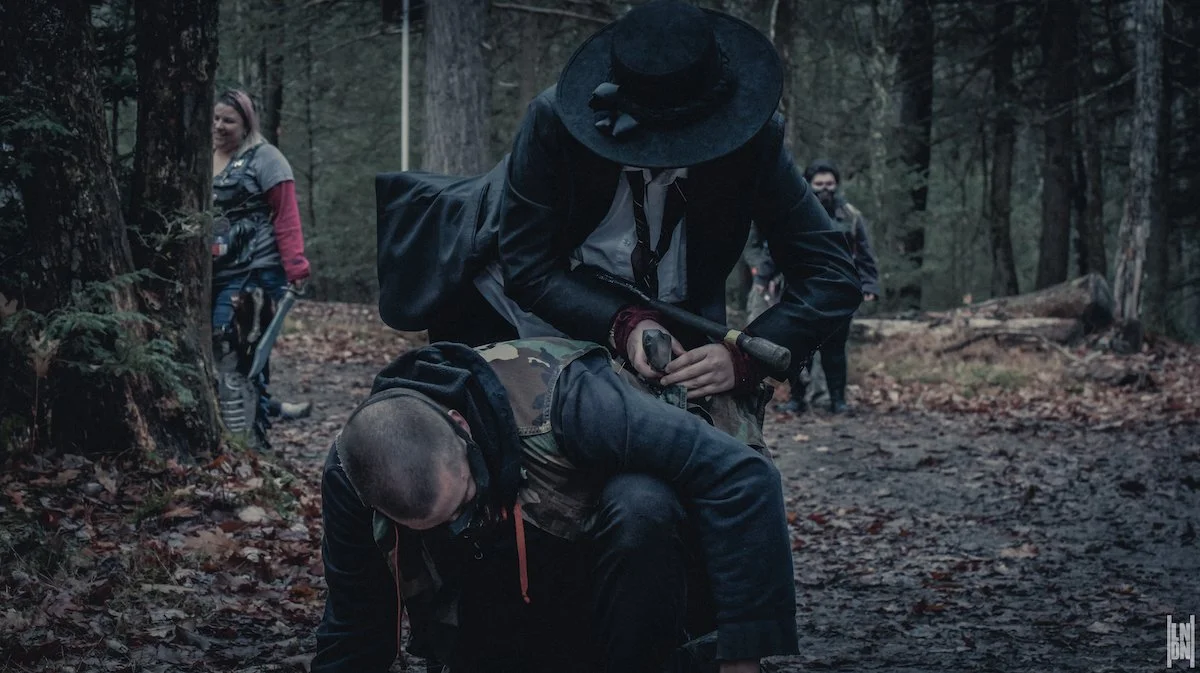
We were all new once… and many of us have been new several times. Each time you try a different larp, you’re a new player, walking into a community of people who have established connections, jargon, and traditions. As we remember how tough it can be to take those first steps, most of us do all we can to welcome new players. But how can we help? Here’s three things we shouldn’t say (and three we should) to new players.
Don’t ask, “Tell me about your character?”
Ask, “What does your character do?”
Larp is something you do, it’s a verb. A lot of larpers are also writers, and writers want to tell a story. There’s nothing wrong with that… but stories have a lot of elements, and when you first enter a long-running larp, there’s a lot to pick up: history, non-player characters, lore. For a person unfamiliar with the setting it’s difficult to even answer, “Where are you from?” But larps have activities and those activities are likely to be familiar. A person who has never seen Star Wars might still know that the characters fly spaceships and fight with laser swords, even if they have no idea where Tatooine is. More importantly, focusing on what they’ll actually do during the larp prepares them for the activity and helps them start playing faster than if they have to learn a bunch of lore up front.
Don’t ask, “Do you want a character tie?”
Ask, “How are you getting to the game?”
When you hear an acquaintance is coming to your larp for the first time, your first response might be to make a connection… after all, you want to play with them! But remember, this isn’t about you: it’s about them. The best way to connect with them is to make sure they make it to the event, and are safe and comfortable while they’re there. So check to make sure they have a ride, or on their sleeping arrangements, or their meal planning. Helping someone get there, as well as making sure they’re comfortable and well fed, will support them immediately and also help you get to know them better as well.
Don’t ask, “Can I help you make your character?”
Ask, “Have you talked to the New Player Guide?
Onboarding new players is a key part of larp design, and your organizers probably have a plan for how to introduce them to the world. While you want to be helpful, a good larp will have a curated portal to the world run by a staff member. The best thing you can do is get them in touch with that staff member, who will help them make a character that’s best for the larp.
Lastly, remember… just because a player is new to your larp, doesn’t mean they’re new to larp in general. Even if they are, they’re still people who have a lifetime of experience to bring to your game. Don’t lecture them or tell them “how things are,” but rather focus on being helpful, and sharing stuff you personally learned during your first event.
Consent and CVC (Part 2)
Larpers (and people in general) like hard and fast rules that apply in all situations - it makes it easy to know what is allowed and what is not ok - but not all situations are the same. In Part 1, we talked about the different groups of people who have to consent to Character versus Character (CvC) conflict but we didn’t talk about how they signal, obtain, or confirm it. The key to any of those topics is this: consent should be appropriate to the risk of the action.
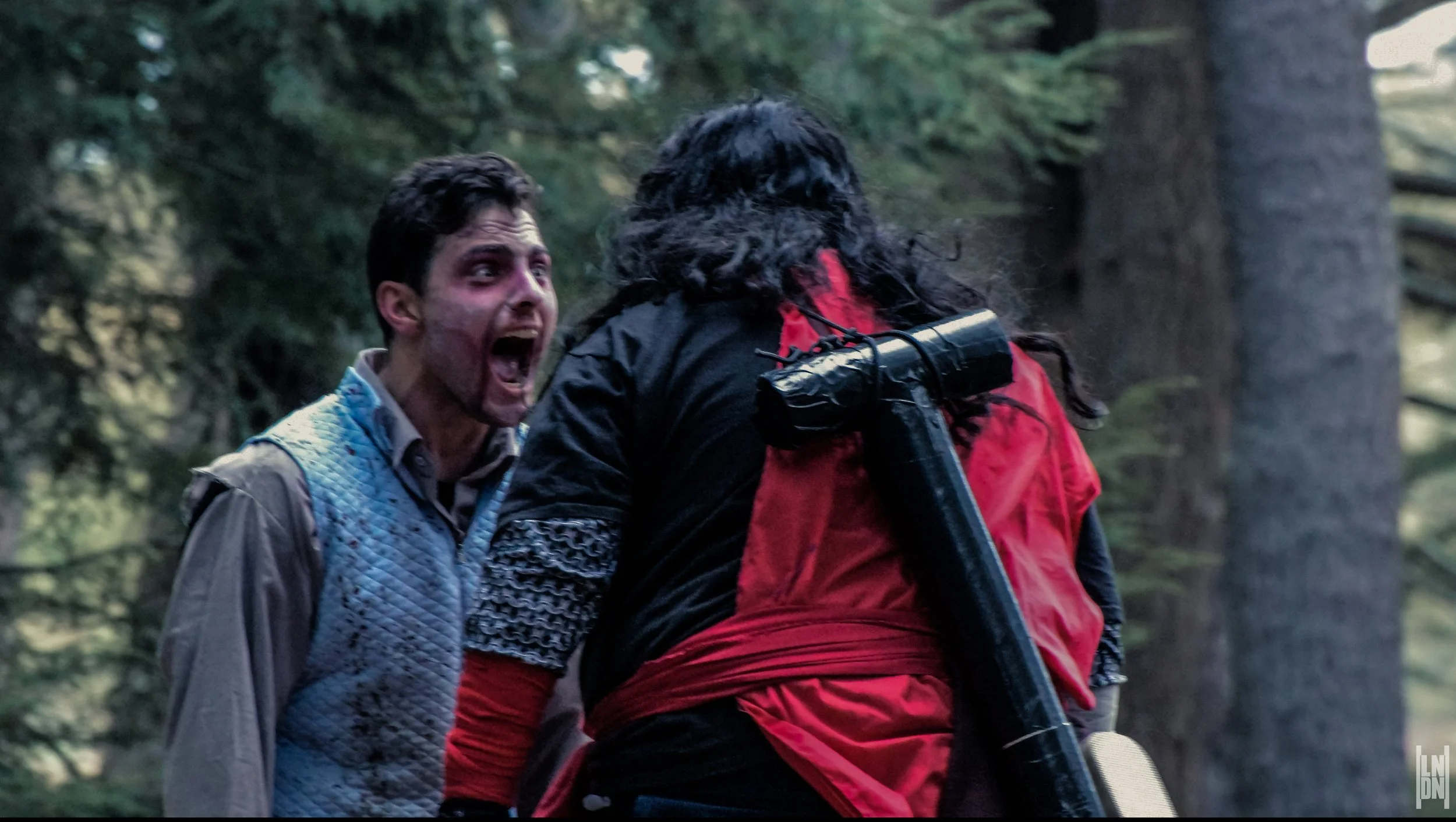
What does this mean? If we establish a protocol to handle consent then we want it to be used in every case. For example, let’s say we said we needed positive, verbal consent to any physical interaction. At first glance, this sounds good, but what about handshakes? It’s very difficult to shake hands with someone without their consent. If we add the additional step to handshakes, we have a high chance that people will ignore the protocol… and that leads to it not being used in higher risk cases. The protocol should be specific to the actions we’re trying to manage. As such we need to define levels of consent and how they relate to PvP. The three levels of consent are Inherent, Implied, and Explicit.
Inherent Consent
There are some things baked into Dystopia Rising, in terms of conflict - if you show up, you can expect to see these things, and have them happen to you. For example, you’re going to be attacked by zombies. In terms of CvC, it’s a role-playing game. People are going to get angry, yell and argue. With regards to the economy, people will compete for scarce resources, barter, and even exploit each other. You can always withdraw consent, but that only applies to you as a person engaged in conflict. If you’re a person watching a conflict and don’t want to witness yelling and screaming, then it’s on you to leave the area since that conflict is a core part of the game.
Implied Consent
Implied consent is consent that’s given as part of the actions you take. Generally, this doesn’t come up in CvC until you choose to engage in it. For example, if two people are fighting and you jump in, then you consent to the level of CvC they’ve already negotiated. If they’re fighting to the death, and you interfere, you’re giving implied consent to being killed as well (so be careful about jumping into physical CvC). Another example is theft: if you’re going around stealing from people, then you consent to getting your equipment taken from you.
Explicit Consent
Explicit consent is when you need positive and continued consent to an action. Usually these are significant actions that can have lasting consequences for your character. We require explicit consent for fighting and infection loss. When we talk about consent in CvC we are usually talking about explicit consent.
Understanding these levels of consent help you understand when you need to obtain consent, and when you need to speak up if you don’t want something. In Dystopia Rising New York we need you to make sure to speak up if you want to withdraw consent from economic or social CvC - these are inherent to role-play and the other players need to know your boundaries. As for explicit consent, we’ll talk about our tools to manage it in next week’s post.
Consent and CVC (Part 1)
“Consent is critically important.” That’s what the Dystopia Rising Rulebook says about Character versus Character (CvC) conflict (page 159). However, the rulebook doesn’t discuss exactly what consent means, or how to signal, obtain, and confirm it. As consent has to be clear to all people involved, we at Dystopia Rising New York (DRNY) want to talk about how it applies to our game. To begin our three-part series on consent and CvC, we’ll focus on the different groups of people who have to consent to CvC.
Whenever consent comes up at a larp, remember that there are three groups of people who have to consent to an action. This goes not only for CvC but any activity performed at a game. The three groups are the people engaged in CvC, the people watching, and the people running the game.
The People Engaged in CvC
The first, and most obvious, group of people who have to consent to CvC are the people actually fighting each other. Both the attacker and defender must agree to the conflict. Remember - if two people are fighting, and you’re not in the fight… you’re not the people engaged. You can’t barge into the conflict they’ve agreed to and say they have to renegotiate.
The People Watching
Your conflict doesn’t just affect you; it impacts everyone around you. They have to accept the presence of CvC as well. Everyone should have the option of leaving the area and still having meaningful role-play. If you’re in a central location and someone asks you to leave, you should relocate. Another important point: if you’re watching a conflict, and want to get involved, don’t ask the people engaged in conflict to renegotiate their consent. It doesn’t matter if your character’s best friend is about to die… you can’t jump into the scene without consent and change the rules.
The People Running the Game
One group players often forget: the staff have to consent to the sort of CvC you want in the game. They set the rules for a variety of reasons: liability, game play, and consideration of other players. Don’t change the rules without the staff’s consent. For example, we’ve seen people do “friends rules” where they actually fight. However, if someone gets hurt, it’s still the staff’s responsibility. Other examples include limitations on sexual contact that can cause the staff to lose their site. Remember, the staff’s rules are their statements on their consent, and they will not consent to actions they consider unsafe.
As long as all three groups consent to a scene, you can do whatever scenes you want, including CvC. There aren’t hard and fast rules like “always negotiate out-of-character” or “never attack new players;” the only rule is “everyone makes an informed consent decision.” We’ll cover how to do that in larp in Part II.
Search Posts
- CAPs
- Honor's Fall
- PFAs
- Premiere
- appreciation
- crime
- culture
- cvc
- design
- families
- genre
- gravemind
- how to
- immersion
- larp advice
- live
- logistics
- making the most
- narrative
- new players
- npcs
- player tips
- politics
- rectangles
- religion
- requiem
- rules
- safety
- setting
- steering
- storytelling
- survival horror
- travel
- treaty of the fold
- war games