

Voices of the Fold
Requiem’s in-character newspaper
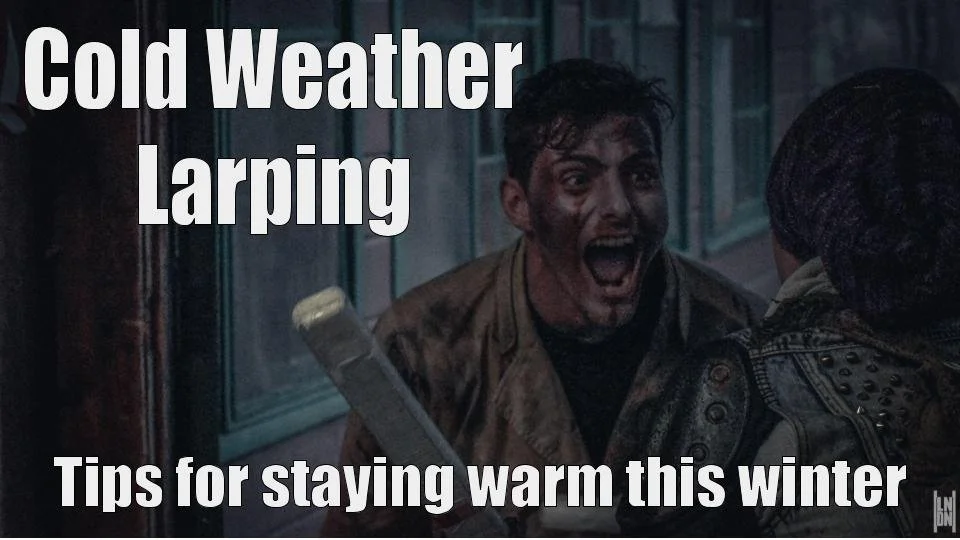
Cold Weather Larping
Cold-weather larping requires more work than just carrying extra socks: while larping in the heat can be rough, the cold offers unique problems that can wear you down. Huddling together in the dark can make for great role-play, but not if the player is uncomfortable or unhappy. Here’s some tips for staying warm enough to enjoy a cold-weather larp.
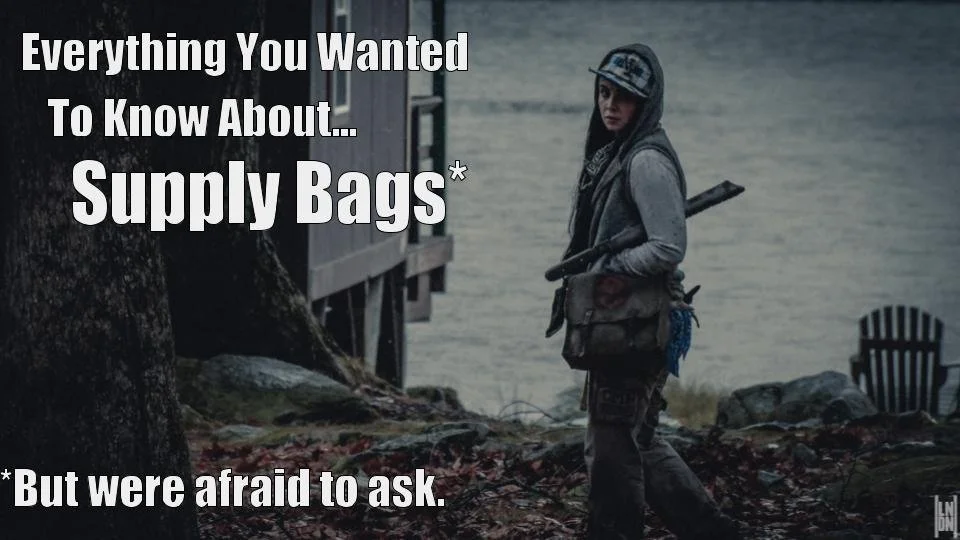
Supply Bags
Our rulebook talks about Supply Bags, a mechanic that allows us to carry multiple item cards that don’t have associated phys reps, or use the same phys rep for multiple items. Here’s how we’ve learned how to use them at Dystopia Rising New York (DRNY), while remaining within the letter and the spirit of the rules.

Meaningful Decisions
“Player agency.” These words strike fear in the hearts of larp designers and often show up in the feedback of dissatisfied players. It’s a tricky subject, because it always comes up in the negative: players don’t think about agency when they have it and immediately realize when they’ve lost it. Giving players their agency, however, is a problem that can be easily solved: all an experience designer needs to do is offer players a meaningful decision. This begs the question: what is a “meaningful decision?”

The Strange Case of Theft in Dystopia Rising
We covered Character versus Character (CvC) conflict in three parts earlier, and it’s time to talk about the oddest case of CvC in Dystopia Rising: theft. Theft occupies a unique place in terms of consent: it’s inherent to the game via the rules there’s no real way to opt-out of it.
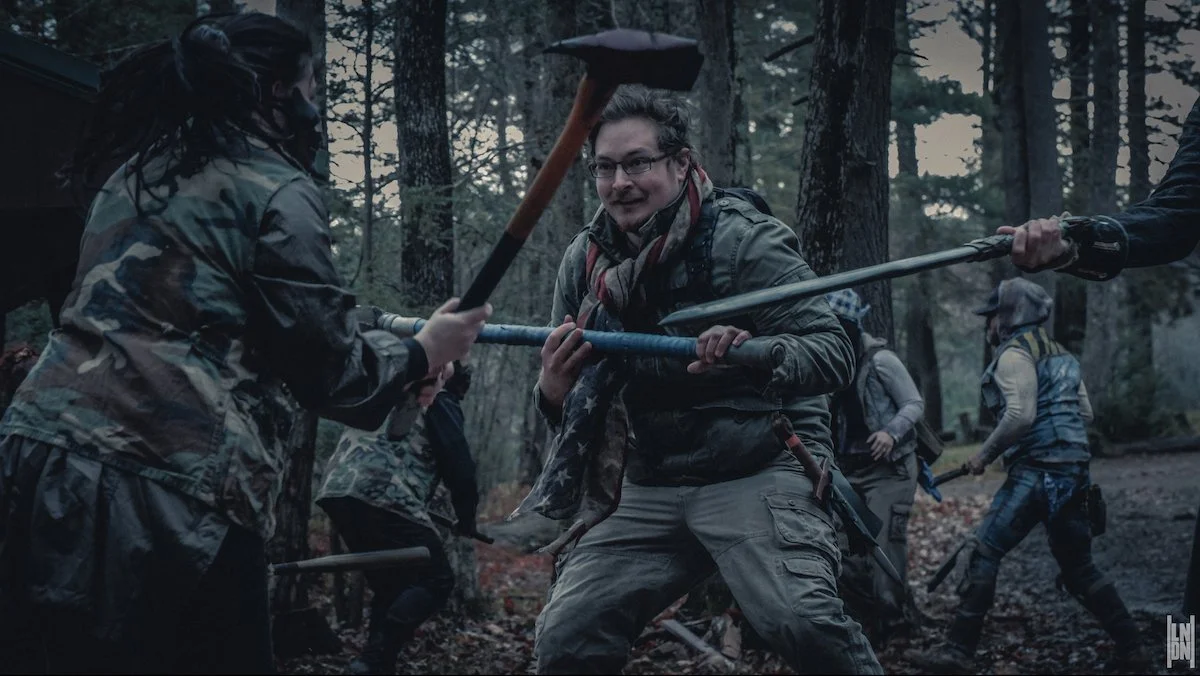
Consent and CVC (Part 3)
In Part 2, we talked about explicit consent, and how it was required for fighting, theft and infection loss. But how do we signal, obtain, and confirm explicit consent? Luckily we have tools described in our rulebook to obtain them. They include negotiation, the Conflict Check-In, and the Wasteland. We also have the Survival Ethos System (SES), also called the Red Ledger.

The Wrong (and Right) Things To Ask a New Player
We were all new once… and many of us have been new several times. Each time you try a different larp, you’re a new player, walking into a community of people who have established connections, jargon, and traditions. As we remember how tough it can be to take those first steps, most of us do all we can to welcome new players. But how can we help? Here’s three things we shouldn’t say (and three we should) to new players.
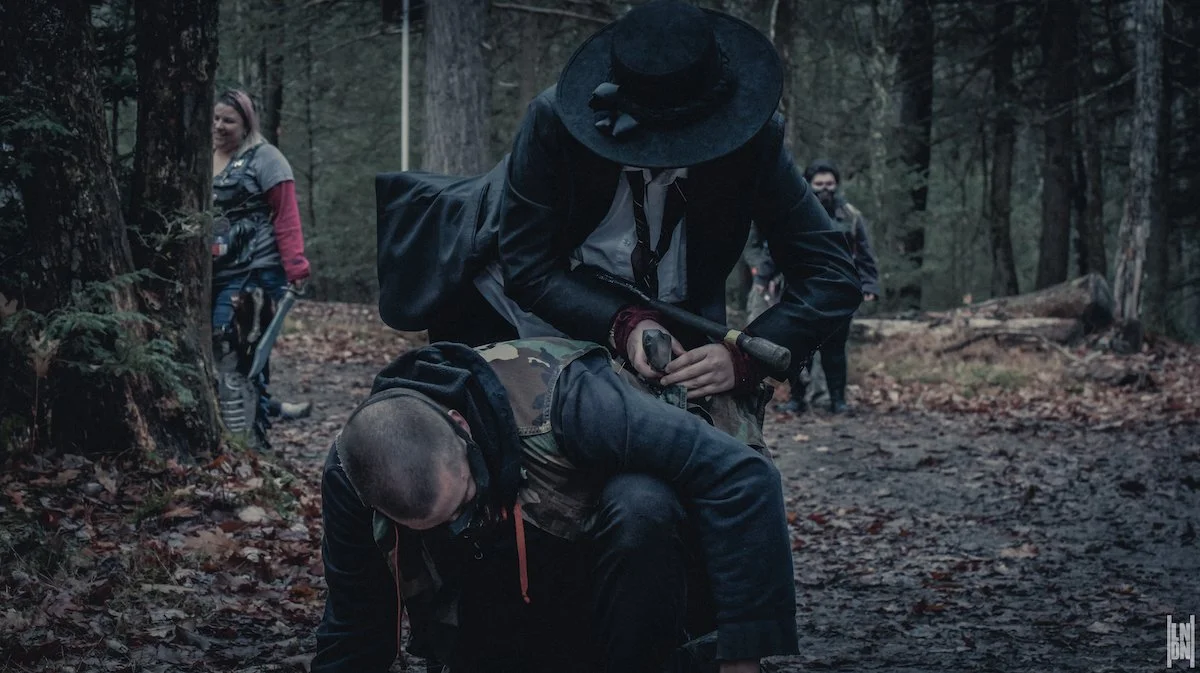
Consent and CVC (Part 2)
Larpers (and people in general) like hard and fast rules that apply in all situations - it makes it easy to know what is allowed and what is not ok - but not all situations are the same. In Part 1, we talked about the different groups of people who have to consent to Character versus Character (CvC) conflict but we didn’t talk about how they signal, obtain, or confirm it. The key to any of those topics is this: consent should be appropriate to the risk of the action.

Consent and CVC (Part 1)
“Consent is critically important.” That’s what the Dystopia Rising Rulebook says about Character versus Character (CvC) conflict (page 159). However, the rulebook doesn’t discuss exactly what consent means, or how to signal, obtain, and confirm it. As consent has to be clear to all people involved, we at Dystopia Rising New York (DRNY) want to talk about how it applies to our game. To begin our three-part series on consent and CvC, we’ll focus on the different groups of people who have to consent to CvC.
What is Survival Horror?
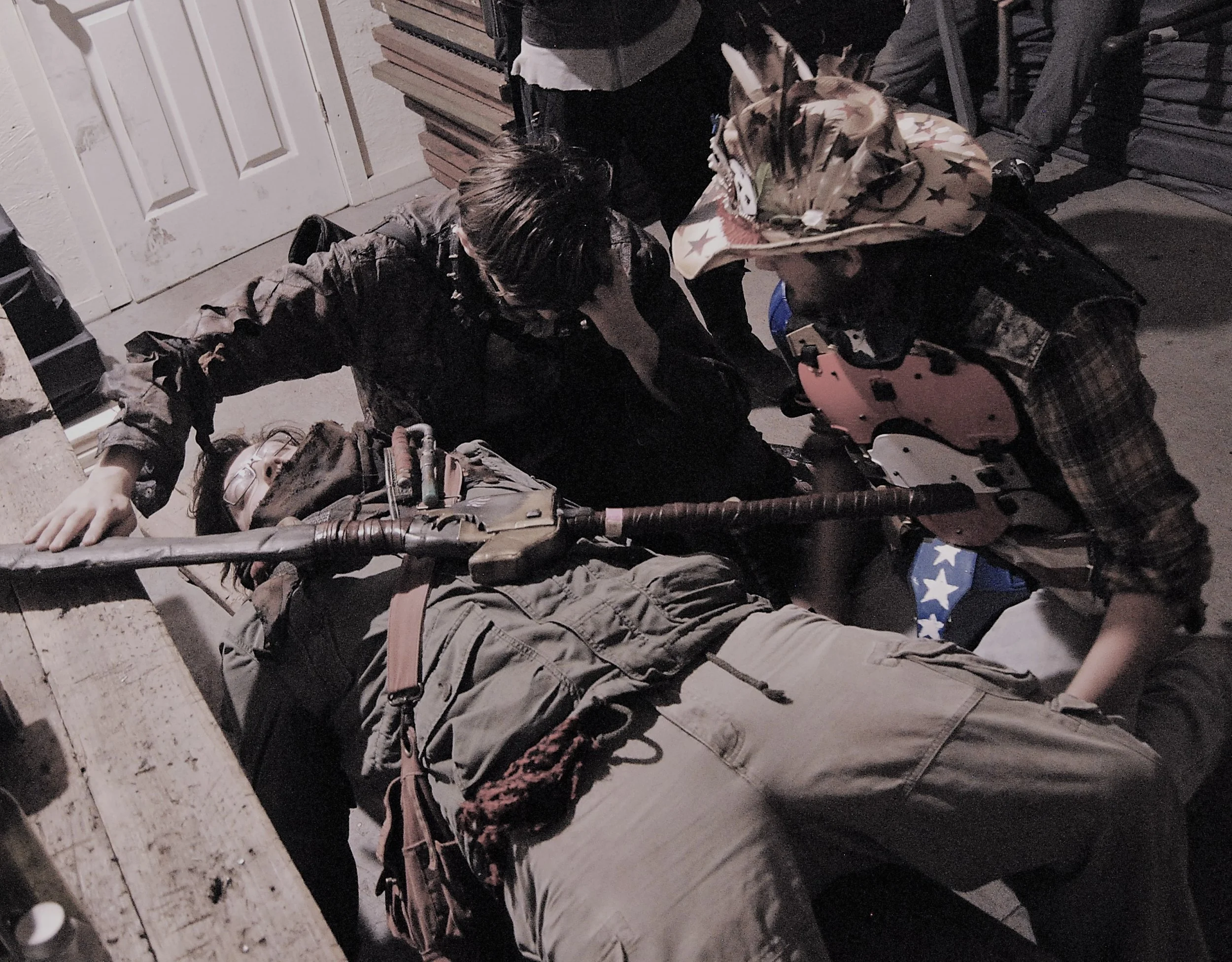
Dystopia Rising New York (DRNY) says that we’re a survival horror larp - but what does that mean? A lot of other larps also say that and some of them are pretty different from us. Rather than offer an academic definition, we want to tell you what you can expect from our survival horror game.

3 Things To Do With an NPC (and 2 to Avoid)
In a boffer larp, monsters are easy to handle as a player - hit them until they stop moving. But when your storytellers send out NPCs… sometimes things go a little sideways. Maybe an NPC meant to promote roleplay turns into a joke, or an NPC provided as a “hook” doesn’t spark interest, or the players just can’t figure out how to engage with that political NPC. While it’s the responsibility of the storytellers and the people playing the NPCs to make them compelling, larp is collaborative, and we all work together to make the game fun and interesting. So how can you help NPCs show you a good time? Here’s a few specific tips (and a couple warnings) to help you make the most of the NPCs you meet.
Search Posts
- CAPs
- Honor's Fall
- PFAs
- Premiere
- appreciation
- crime
- culture
- cvc
- design
- families
- genre
- gravemind
- how to
- immersion
- larp advice
- live
- logistics
- making the most
- narrative
- new players
- npcs
- player tips
- politics
- rectangles
- religion
- requiem
- rules
- safety
- setting
- steering
- storytelling
- survival horror
- travel
- treaty of the fold
- war games